
Vehicle Repossession During FR-44: How to Keep Your Car
Free to compare
Why Vehicle Repossession Risk Spikes During FR-44 Compliance
FR-44 premiums run 2-3x standard rates in Florida, and that sudden increase strains fixed retirement budgets hard. The average FR-44 premium for a senior driver in Florida runs $180-$280 per month for state-minimum liability alone. Add comprehensive and collision on a financed vehicle, and you're looking at $350-$500 monthly.
Most seniors facing FR-44 are in month 1-6 of the filing period, still adjusting to the premium shock. If you financed your vehicle in the years before the DUI or breath-test refusal, your lender required comprehensive and collision as loan conditions. Missing two consecutive payments triggers most lender repo clauses.
The collision here is timing. Your FR-44 premium doubles your car insurance cost exactly when you're already paying court fines, reinstatement fees, and possibly ignition interlock lease costs. Vehicle repossession becomes a real threat not because you stopped caring about the loan, but because the FR-44 requirement made the combined payment mathematically unworkable on a retirement income.

The Coverage Reduction Option Most Lenders Won't Tell You About
Florida requires 100/300/50 liability limits for FR-44 compliance: $100,000 bodily injury per person, $300,000 per accident, $50,000 property damage. The state does not require comprehensive or collision coverage for FR-44 filing, even if your vehicle is financed.
Your lender requires comprehensive and collision to protect their interest in the vehicle. If you drop those coverages, you violate your loan agreement but you do not violate your FR-44 requirement. Your DMV filing remains active. Your license remains valid.
The lender's remedy is repossession, which takes 30-60 days from the coverage lapse notice. That window gives you time to refinance the loan with a credit union that accepts liability-only coverage, negotiate a payment reduction, or sell the vehicle privately before repo damages your credit further. Most seniors don't realize this gap exists because carriers and lenders never explain that FR-44 liability and loan-required physical damage coverage are separate compliance obligations.

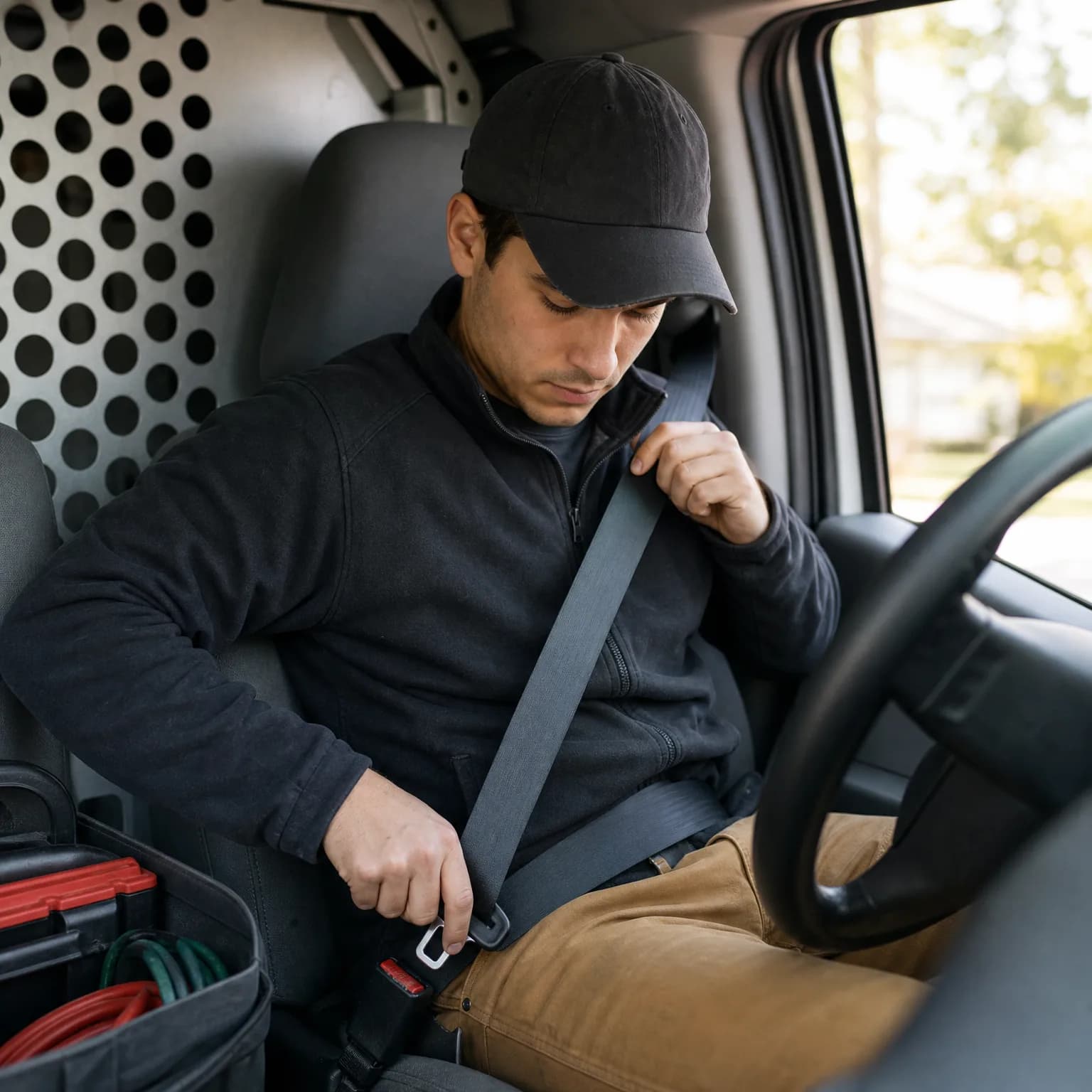
How to Drop Physical Damage Coverage Without Losing FR-44 Status
Call your carrier and request removal of comprehensive and collision coverage only. State clearly that you want to maintain your current liability limits and FR-44 filing. The carrier will process the change immediately and notify your lender within 10 days via standard loss payee notification.
Your premium drops by $120-$250 per month depending on vehicle value and deductible structure. Your FR-44 filing remains active because you still carry the state-required 100/300/50 liability. The Florida DMV receives no notification of this change because physical damage coverage is not part of FR-44 monitoring.
Your lender receives the coverage change notice and will send a lapse notification within 15-20 days. That letter typically gives you 10 days to reinstate coverage before they invoke the repo clause. You now have 25-30 days minimum from the coverage drop to arrange alternative financing or negotiate directly with the lender. This is not a permanent solution, but it buys the time that most seniors need to restructure the situation without losing both the vehicle and their license in the same week.
Refinancing Options When You're Carrying FR-44
Most national auto lenders will not refinance a loan for a borrower carrying FR-44. Credit unions operating in Florida, particularly Navy Federal, Suncoast, and regional credit unions serving seniors, sometimes refinance existing auto loans for FR-44 filers if the loan-to-value ratio is under 90% and payment history before the FR-44 period was clean.
Approach the refinance conversation with your current payment breakdown: existing loan balance, vehicle value, current monthly payment, and the FR-44 premium amount. Credit unions can sometimes extend the loan term or reduce the interest rate enough to lower the monthly payment by $80-$150, which offsets part of the FR-44 premium increase.
If refinancing fails, a sale-leaseback arrangement through a family member sometimes works. An adult child purchases the vehicle from you at payoff value, pays off your existing loan, and leases it back to you at a monthly rate you can manage. The child owns the vehicle and can insure it under their own policy, eliminating your FR-44 premium burden entirely if they add you as a listed driver. This works only if you can legally drive under someone else's policy while maintaining your own FR-44 filing, which Florida allows as long as you maintain a separate FR-44 liability policy even if you don't own a vehicle.

Meet Your FR-44 Requirement Without Overpaying
Get FR-44 Insurance Coverage
What Happens If Repossession Proceeds While You're in FR-44 Compliance
If the lender repossesses your vehicle, you must maintain your FR-44 filing for the full three-year period even without a car. Florida does not allow FR-44 cancellation due to vehicle loss. You'll need a non-owner FR-44 policy, which covers you when driving borrowed or rental vehicles.
Non-owner FR-44 policies in Florida run $90-$160 per month for seniors, roughly half the cost of an owner policy. Carriers offering non-owner FR-44 include Direct Auto, Dairyland, and The General. State Farm and Geico typically do not offer non-owner FR-44 policies.
The repossession itself appears on your credit report and damages your score by 80-120 points. That credit hit compounds your FR-44 situation because auto insurance pricing in Florida uses credit-based insurance scores heavily. When you eventually purchase another vehicle and need to convert back to an owner FR-44 policy, that repo-damaged credit score will increase your premium another 20-35% beyond the base FR-44 rate increase. This is why avoiding repossession through refinancing, sale, or negotiated surrender is almost always financially better than letting the lender complete the repo process.
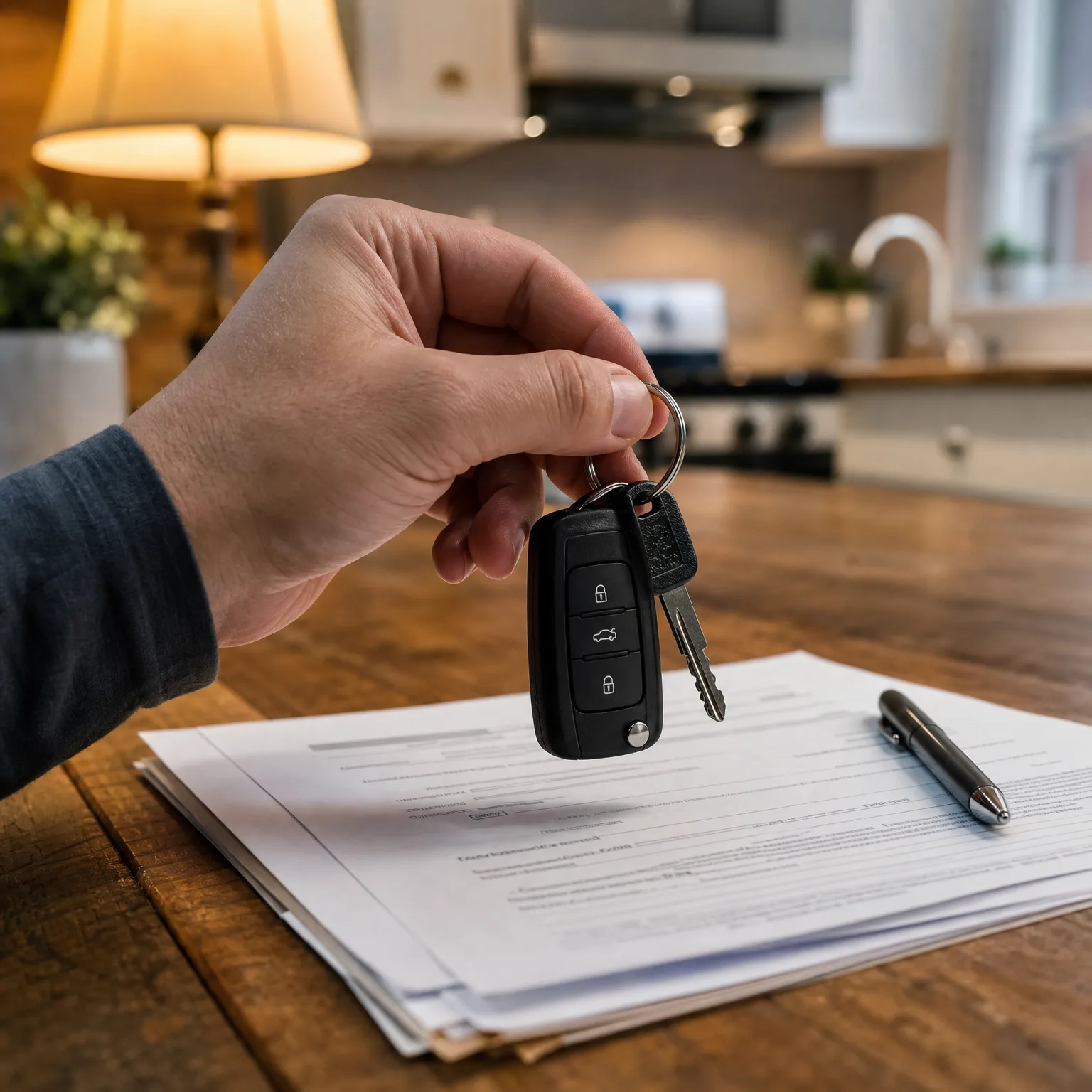
Policy Stacking: Maintaining FR-44 While Someone Else Insures the Vehicle
Florida allows policy stacking in specific scenarios. If your spouse, adult child, or other household member can insure the vehicle under their own policy as the primary policyholder and lienholder-approved insured, you can maintain a separate non-owner FR-44 policy to satisfy your DMV filing requirement.
This works only if the other person has insurable interest in the vehicle: they're a co-owner, the primary driver, or the lender agrees to accept them as the named insured. You cannot simply transfer insurance responsibility to someone without ownership or loan authority.
The premium savings here can be significant. The family member insures the vehicle at standard rates ($110-$180/month for full coverage depending on vehicle and their record). You carry a non-owner FR-44 policy at $90-$160/month. Combined household cost: $200-$340/month. Your previous owner FR-44 policy with comprehensive and collision: $350-$500/month. This arrangement saves $110-$160 monthly and eliminates repossession risk entirely because the loan-required coverage remains active under the family member's policy.
Court-Ordered Ignition Interlock and Lender Financing Conflicts
If your FR-44 requirement includes court-ordered ignition interlock device installation, most lenders require written notification before IID installation. The loan agreement typically prohibits vehicle modifications without lender consent. Ignition interlock qualifies as a modification.
Notify your lender in writing before IID installation. Include a copy of the court order requiring the device. Most lenders approve IID installation when it's court-mandated, but the approval process takes 10-15 business days. Installing the device before lender approval can trigger an immediate default notice.
IID lease costs in Florida run $70-$110 per month plus installation. Combined with FR-44 premiums and the existing car payment, monthly vehicle-related costs can exceed $600-$700 for a senior on fixed income. If this total is unworkable, the policy stacking option or vehicle sale before IID installation may be more viable than entering a three-year period where you're locked into both the device lease and the elevated insurance premium with a financed vehicle you can't afford to keep.
Frequently Asked Questions
Can I keep my FR-44 filing active if I sell my car during the compliance period?
Yes. Florida requires you to maintain FR-44 for the full three-year period regardless of vehicle ownership. If you sell your car, you must switch to a non-owner FR-44 policy within 30 days to avoid a compliance lapse that triggers license suspension.
Will my lender repo my car immediately if I drop collision coverage?
No. The lender must notify you of the coverage lapse and typically gives 10-30 days to cure before invoking the repossession clause. The full process from coverage drop to actual repossession takes 30-60 days in most cases.
Does dropping comprehensive and collision coverage affect my FR-44 status with the DMV?
No. Florida FR-44 filing only monitors your liability coverage. As long as you maintain 100/300/50 liability limits, your FR-44 remains valid regardless of whether you carry physical damage coverage.
Can my adult child insure my car while I maintain a separate FR-44 policy?
Yes, if your adult child has insurable interest in the vehicle and the lender approves them as the named insured. You would then carry a non-owner FR-44 policy to satisfy your DMV filing requirement while they maintain the loan-required comprehensive and collision coverage.
Related Articles

Florida FR-44: Higher Limits After a DUI
4/16/2026
Vehicle Repossession During FR-44: License Impact
4/27/2026
Paying Off Auto Loan During FR-44: Cost & Coverage Impact
4/27/2026

Job Loss During FR-44: Policy Options in Florida
4/27/2026

Totaled Vehicle During FR-44 in FL: What Happens Next
4/27/2026

Disability During FR-44 in Florida: Policy Options
4/27/2026