
Small Business Fleet With FR-44 Driver in Virginia: Your Options
Free to compare
Can FR-44 Be Filed on a Commercial Fleet Policy in Virginia?
Yes, Virginia law allows FR-44 filing on commercial auto policies, and most carriers that write business fleet coverage will file it for an owner-operator or listed driver who receives a DUI conviction. The FR-44 certificate itself doesn't distinguish between personal and commercial policies—it certifies that the named individual maintains at least Virginia's 50/100/40 minimum liability limits.
The problem isn't the filing. The problem is what happens 6-12 months later at your policy renewal. Most commercial carriers—Progressive Commercial, Travelers, Hartford, Nationwide—will file FR-44 for a current policyholder but issue a non-renewal notice at the next policy anniversary. You'll maintain coverage through the current term, but you won't be offered renewal.
This creates a compliance crisis if you're 8 months into a 3-year FR-44 requirement. You need uninterrupted coverage, but your commercial carrier is exiting. The standard market won't write a new commercial policy with an FR-44 driver listed. You're forced into the non-standard market for business coverage, where premiums can be 3-5x your original rate—not just for the FR-44 driver, but for the entire fleet.
Should You Separate the FR-44 Driver Onto a Personal Policy?
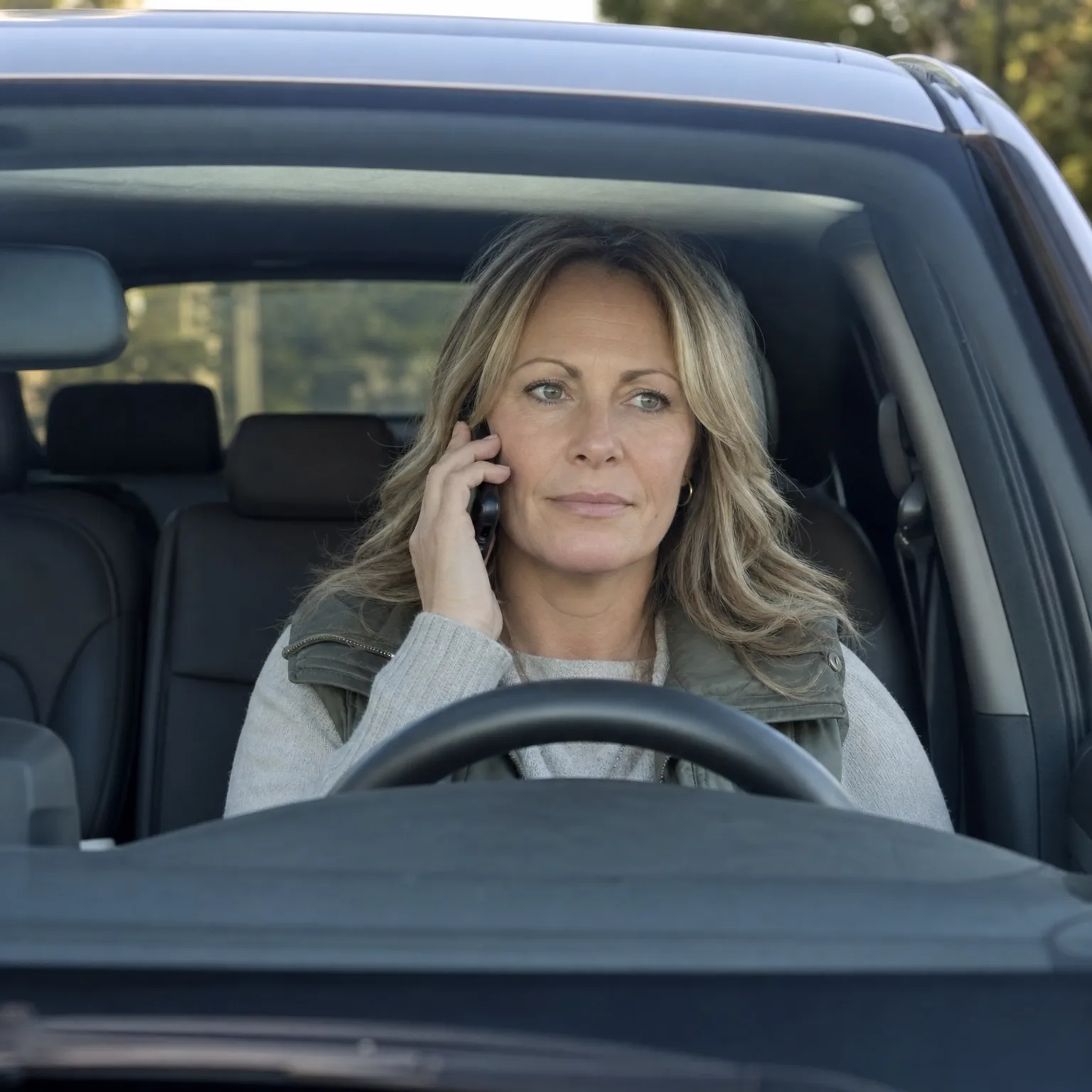
If you own the business and you're the FR-44-required driver, moving yourself to a separate personal FR-44 policy before your commercial renewal date protects your business fleet premium. The commercial policy continues with your other drivers—employees, family members, partners—without FR-44 exposure. You pay elevated rates only on your personal vehicle.
This works cleanly if you use separate vehicles for personal and business driving. You maintain a personal auto policy with FR-44 filing for your personal vehicle and a standard commercial policy for your business fleet. Virginia DMV accepts FR-44 filed on either policy type as long as it covers your driving and meets the state-required minimums.
The timing matters. If your commercial carrier has already issued a non-renewal notice, you have until the policy end date to secure both a replacement commercial policy and a personal FR-44 policy. Most business owners wait until the non-renewal letter arrives. That's too late to shop effectively. The better path: as soon as you receive your DUI conviction and know you'll need FR-44, request a quote for separating your personal vehicle onto its own FR-44 policy before your next commercial renewal.

What Happens If the FR-44 Driver Isn't the Business Owner?
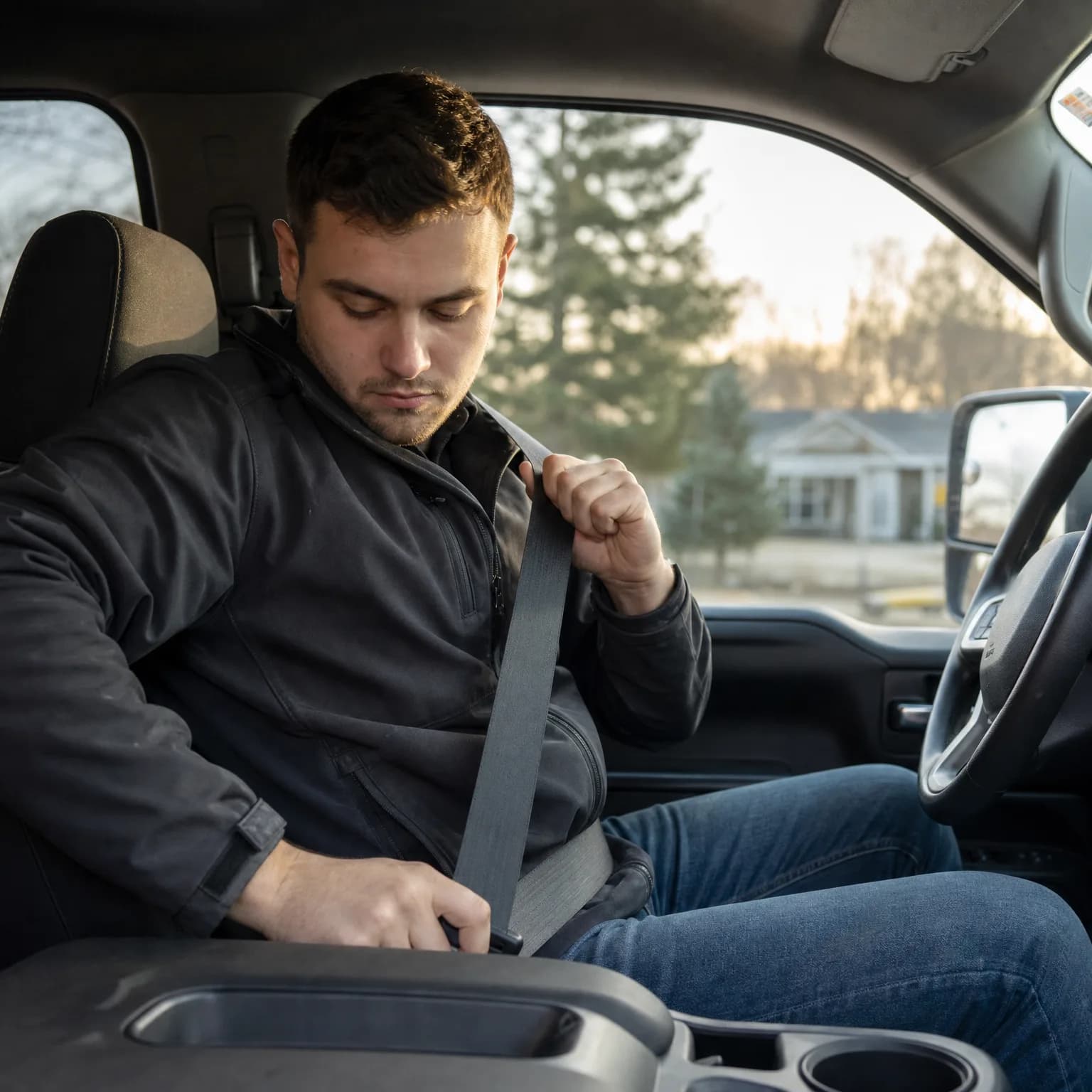
If an employee or co-owner receives a DUI and needs FR-44, your options narrow significantly. Most commercial carriers will non-renew the entire fleet policy rather than continue coverage with an FR-44-required driver listed. Removing that driver from the policy solves the carrier's underwriting concern, but it also means that person can't legally drive any vehicle insured under your business policy.
Virginia law requires the FR-44-filing driver to maintain their own continuous coverage. If the driver owns a personal vehicle, they can secure personal FR-44 coverage and stop driving company vehicles. If they don't own a vehicle, they'll need non-owner FR-44 insurance—a liability-only policy that satisfies the state filing requirement without covering a specific vehicle.
The non-owner FR-44 policy won't cover that driver when operating your business vehicles. If the driver's role requires them to drive company vehicles as part of their job, you face a binary choice: hire them in a non-driving role, or part ways. Some business owners try to add the employee's non-owner FR-44 policy as scheduled coverage under the commercial policy. Most carriers won't accept this structure. The underwriting risk doesn't change.

Meet Your FR-44 Requirement Without Overpaying
Get FR-44 Insurance CoverageWhich Carriers Will Write Commercial Policies With FR-44 Drivers?
Very few carriers will write a new commercial auto policy with an FR-44 driver listed at application. Progressive Commercial and Nationwide have underwriting programs that may accept a business owner with a single DUI if the rest of the fleet has clean records, but approval isn't guaranteed and the premium will reflect high-risk pricing from day one.
If your current carrier non-renews and standard commercial carriers decline your application, you'll move into the non-standard commercial market. Providers like Dairyland, GAINSCO, and Bristol West write high-risk commercial auto, including policies with FR-44 drivers. These carriers specialize in difficult placements, but premiums typically run 2-4x standard market rates for the same coverage limits.
A Virginia independent agent who works with non-standard commercial carriers can submit your risk to multiple providers simultaneously. The non-standard market doesn't operate like the standard market—approvals and pricing vary significantly by carrier, and a declination from one doesn't predict a declination from another. Quote timelines run 3-7 business days. If your current policy expires in under 30 days, tell the agent immediately. Some non-standard carriers can bind coverage faster if you're facing a lapse.

How Does FR-44 Filing Interact With Workers' Comp and General Liability?
FR-44 is a certification filed with your commercial auto policy or personal auto policy. It doesn't attach to your workers' compensation insurance, general liability policy, or umbrella coverage. Those policies remain unaffected by your DUI conviction or FR-44 requirement unless the carrier runs a renewal underwriting review and decides to non-renew based on the conviction appearing in your business records.
Some small business owners discover at renewal that their general liability carrier or umbrella carrier has non-renewed them after learning about a DUI through a background check or MVR pull. This is legal in Virginia. Carriers underwrite the business owner's personal conduct as part of the overall risk profile, especially in owner-operator businesses where the individual and the entity are functionally inseparable.
If this happens, treat the non-renewals separately. Your FR-44 requirement affects only your auto insurance. Secure your commercial auto or personal auto FR-44 coverage first to satisfy DMV and avoid license suspension. Then address your general liability and umbrella replacement with a different carrier. Many business liability carriers won't pull an MVR unless you're also insuring vehicles, so a DUI disclosed on your auto application may not surface during a standalone general liability application.

What Happens at the End of Your 3-Year FR-44 Period?
Virginia requires FR-44 filing for 3 years from your DUI conviction date, not from your filing date or reinstatement date. Once you reach the 3-year anniversary, you can request that your carrier remove the FR-44 filing and revert to a standard liability policy. If you've maintained your FR-44 coverage on a separate personal auto policy, you can request quotes to move back onto the commercial fleet policy or continue the personal policy without FR-44.
Your commercial auto premium won't return to pre-DUI levels immediately. The DUI conviction remains on your Virginia driving record for 11 years and on your CLUE report for 5-7 years depending on the carrier. Most commercial carriers surcharge a DUI conviction for 3-5 years, meaning even after your FR-44 requirement ends, your commercial premium will remain elevated as long as the conviction falls within the carrier's rating lookback period.
If you've been paying non-standard commercial auto rates during your FR-44 compliance period, shop the standard market again once your FR-44 requirement ends. Carriers like Progressive Commercial, Travelers, and Nationwide may offer you standard commercial coverage again once you're 3+ years past conviction and no longer require FR-44 filing. The premium will still reflect the conviction, but standard market pricing with a DUI surcharge is typically lower than non-standard market base rates.
Frequently Asked Questions
Can I transfer my FR-44 requirement from a commercial policy to a personal policy mid-term?
Yes, but you'll maintain two overlapping policies for a brief period. Start your personal FR-44 policy with the effective date you want, then request that your commercial carrier remove you and cancel or adjust the commercial policy on the same date. Virginia DMV requires continuous FR-44 coverage with no gaps—coordinate the transition so your new personal policy starts before or on the same day your commercial policy removes you.
Does Virginia allow FR-44 filing on a commercial umbrella policy?
No. FR-44 must be filed on an underlying auto liability policy—either personal auto or commercial auto. An umbrella or excess liability policy sits above your primary auto coverage and can't satisfy Virginia's FR-44 requirement on its own. Your FR-44 certificate will reference the specific auto policy number that carries the state-required minimums.
Will my business insurance agent report my DUI to my other carriers?
No, but your carriers will discover it on their own during renewal underwriting. Most commercial carriers run MVRs at renewal, and a DUI conviction will appear on your Virginia driving record the same day the court enters your conviction. Your agent isn't required to notify your other carriers, but the information isn't confidential. Expect all your commercial policies—auto, general liability, umbrella—to reflect the conviction at their next renewal.
Can I exclude myself from my business fleet policy and avoid FR-44 filing?
Not if you need to drive company vehicles. Excluding yourself from the commercial policy means the policy won't cover you if you drive any vehicle insured under that policy—even occasionally or in an emergency. If your role never requires driving company vehicles, you can exclude yourself and maintain only a personal FR-44 policy for your personal vehicle. If you do drive company vehicles, exclusion isn't a viable path. You'll need FR-44 coverage that applies to your business driving, which typically means filing FR-44 on the commercial policy or moving to a role that doesn't require driving.
Related Articles

Virginia FR-44: Higher Limits After a DUI
4/16/2026

CDL Holder DUI in Personal Car: Virginia FR-44 Rules
4/27/2026

Cheapest FR-44 Carriers in Virginia: Real Rates
4/27/2026

Virginia FR-44 Household Policy Cost: 3-Year Projection
4/27/2026

FR-44 + CDL in Virginia: Avoid These Filing Conflicts
4/27/2026

FR-44 Carriers in Suffolk VA: Who Writes New Policies
4/27/2026