
Selling Your Car During FR-44 Filing in Florida: What Happens
Free to compare
Does Selling Your Car End Your FR-44 Requirement in Florida?
No. Florida's FR-44 filing requirement runs for 3 years from your reinstatement date, not from the date you first obtained coverage. Selling your vehicle doesn't shorten that period, and it doesn't pause the clock.
The FR-44 is attached to your driver license, not to a specific vehicle. Florida Statute 324.023 requires continuous proof of financial responsibility for the full compliance period. When you sell your car and cancel your auto policy, your insurer files an SR-26 notice with the Florida DMV within 10 days reporting the lapse in coverage.
The DMV doesn't distinguish between "I sold my car" and "I let my policy lapse." Both trigger the same consequence: immediate suspension of your driving privilege. Most FR-44 filers discover this when they receive a suspension notice 2-3 weeks after the sale closes, often after they've already been driving without realizing their license status changed.
What Happens When You Cancel FR-44 Coverage After Selling
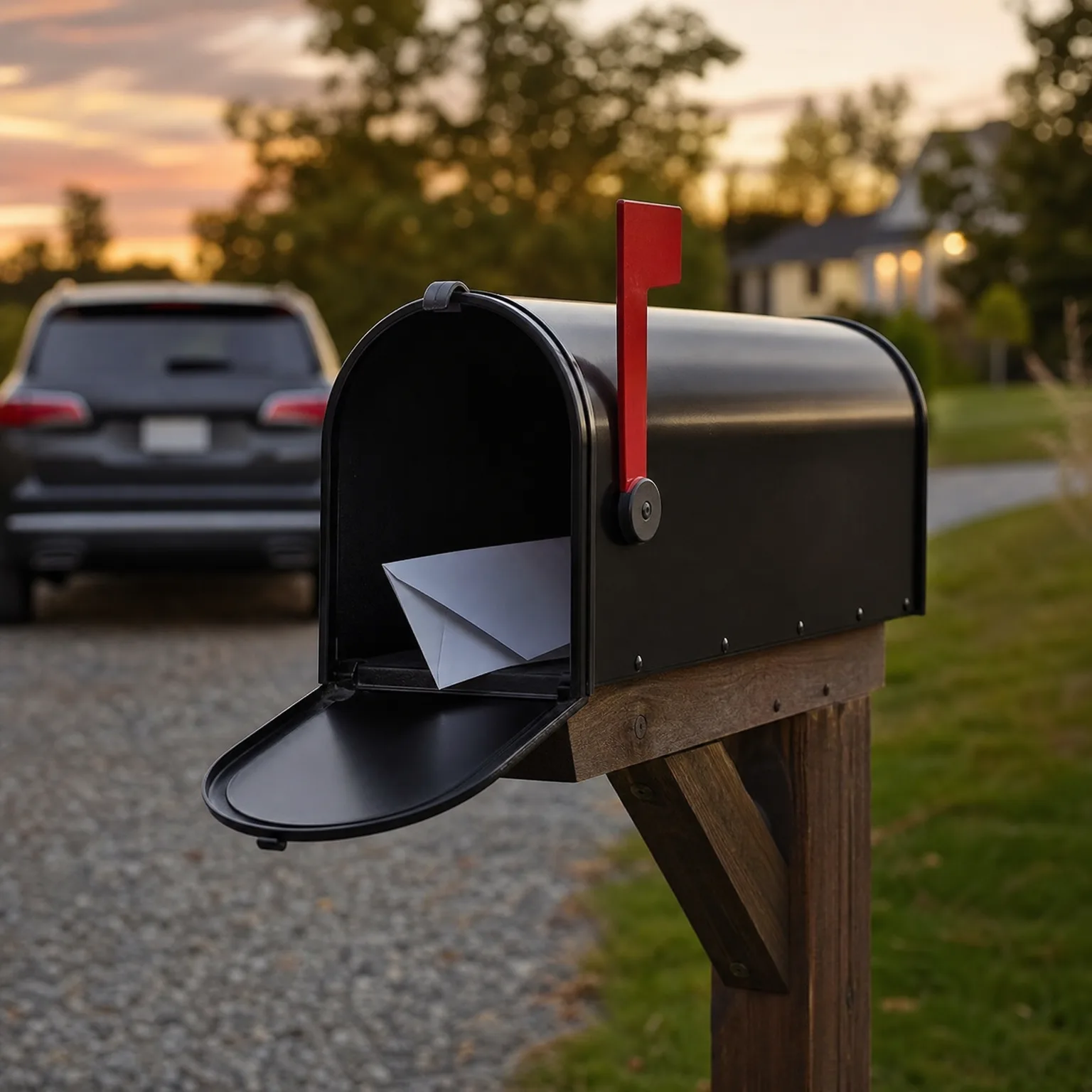
Your insurance carrier files an SR-26 lapse notification with the Florida Department of Highway Safety and Motor Vehicles electronically, typically within 24-72 hours of policy cancellation. The DMV processes that notice and generates a suspension order, usually within 10-15 days.
You receive a suspension notice by mail at your address of record. If you've moved and didn't update your address with the DMV, you may not receive it before the effective date. The suspension is immediate upon the effective date listed in the notice — no grace period, no hearing, no opportunity to cure retroactively.
Driving on a suspended license in Florida is a criminal offense. A first violation is a second-degree misdemeanor with up to 60 days in jail and a $500 fine. A second offense within 5 years becomes a first-degree misdemeanor with up to one year in jail. For someone already managing FR-44 compliance following a DUI conviction or breath-test refusal, a suspended-license arrest extends the compliance journey and typically increases premiums further when reinstatement finally occurs.


Two Compliant Options When Selling During FR-44 Filing
Option 1: Replace the vehicle immediately and transfer coverage the same day. If you're buying another car, arrange insurance before completing the sale. Most non-standard carriers that write FR-44 policies — Bristol West, Direct Auto, Dairyland, GAINSCO, Safe Auto — allow same-day vehicle swaps. The FR-44 filing transfers to the new vehicle without interruption. No SR-26 is filed because coverage never lapses.
Option 2: Switch to a non-owner FR-44 policy before canceling your vehicle policy. A non-owner policy maintains the FR-44 filing without insuring a specific vehicle. You're covered when driving rental cars or borrowed vehicles, and the state requirement is satisfied. Monthly premiums for non-owner FR-44 policies typically run $60-$120 in Florida, roughly 40-60% less than standard vehicle FR-44 coverage.
The critical requirement: no coverage gap. If your vehicle policy ends Friday, your non-owner policy must start Friday or earlier. A Monday start date creates a 3-day lapse, triggers the SR-26, and suspends your license. Coordinate the effective dates explicitly with your carrier before submitting cancellation paperwork.
How Non-Owner FR-44 Policies Work in Florida
A non-owner FR-44 policy provides liability coverage when you drive a vehicle you don't own. Florida requires 100/300/50 minimum limits for FR-44 filers — $100,000 bodily injury per person, $300,000 per accident, $50,000 property damage. The non-owner policy meets those minimums and maintains the FR-44 certificate filed with the DMV.
This coverage doesn't apply to vehicles you own, vehicles furnished for your regular use, or vehicles owned by household members. It's secondary coverage when driving a borrowed car — the vehicle owner's policy pays first, and the non-owner policy covers the gap if their limits are exhausted. When renting a car, the non-owner policy typically serves as primary coverage, allowing you to decline the rental company's liability coverage.
Non-owner FR-44 policies are available from most non-standard carriers but rarely from standard market carriers like State Farm, Geico, or Progressive. Expect to work with Bristol West, Direct Auto, Safe Auto, or similar carriers already serving the FR-44 market. Not all agents write non-owner policies — call ahead to confirm availability before assuming you can switch easily.

Meet Your FR-44 Requirement Without Overpaying
Get FR-44 Insurance Coverage
Timing and Reinstatement If You Create a Coverage Gap
If you sold your car, canceled coverage, and didn't replace it immediately, your license is likely already suspended or will be within days. Florida doesn't offer retroactive cures. You can't reinstate by simply buying a new policy — you must go through formal reinstatement with the DMV.
Reinstatement requires: proof of new FR-44 insurance coverage effective immediately, payment of a $150 reinstatement fee, payment of any outstanding fines or penalties from the original DUI case, and in some cases completion of a driver improvement course. The DMV will not process reinstatement until all requirements are met and all fees are paid.
The 3-year FR-44 clock does not restart from the reinstatement date after a lapse — it continues from your original reinstatement date following the DUI conviction or breath-test refusal. However, some counties and judges impose additional compliance monitoring after a mid-period suspension, extending oversight even if the formal filing period remains 3 years. If you're on probation, a suspended-license event typically violates probation terms and may trigger a violation hearing.

Cost Comparison: Vehicle FR-44 vs Non-Owner FR-44
Vehicle FR-44 policies in Florida typically cost $180-$350 per month depending on your county, age, vehicle value, prior driving record beyond the FR-44 trigger, and the carrier writing the policy. Miami-Dade, Broward, and Hillsborough counties sit at the higher end due to higher collision and fraud claim rates.
Non-owner FR-44 policies typically run $60-$120 per month for the same 100/300/50 limits. The reduction reflects the lower risk profile — you're not insuring a specific vehicle that could be totaled or stolen, and you're likely driving far less frequently if you don't own a car. Estimates based on available non-standard market data; individual rates vary by driving history, age, location, and carrier underwriting.
If you're 18-24 months into your 3-year filing period, no longer own a vehicle, and don't drive daily, switching to non-owner FR-44 coverage can save $1,440-$2,760 over the remaining compliance period. That's meaningful on a fixed or reduced income following a DUI case that's already cost thousands in legal fees, fines, and higher premiums.
What Happens at the End of Your 3-Year FR-44 Period
Florida's FR-44 requirement ends exactly 3 years from your reinstatement date following the DUI conviction or breath-test refusal — not 3 years from when you first bought coverage. Mark that date. Your carrier will not notify you when the requirement ends. The DMV will not send a congratulations letter.
On the day after your 3-year anniversary, you're no longer required to maintain FR-44 coverage, but you're still required to maintain standard Florida minimum liability coverage: 10/20/10. You can shop for standard market policies again, though many carriers apply a 3-5 year lookback for DUI convictions when underwriting, so you may not immediately qualify for preferred rates.
If you're on a non-owner FR-44 policy when the requirement ends and you still don't own a vehicle, you can cancel the policy or downgrade to a standard non-owner liability policy at roughly 60-70% lower premium. If you reinstate vehicle ownership after the FR-44 period ends, shop aggressively — your rate should drop significantly compared to what you paid during the filing period, though it won't return to pre-DUI levels for several more years.
Frequently Asked Questions
Can I sell my car and just not drive for the rest of my FR-44 period?
Not unless you maintain a non-owner FR-44 policy. Florida requires continuous FR-44 coverage for the full 3-year period regardless of whether you own a vehicle or intend to drive. Letting coverage lapse suspends your license immediately, and reinstatement requires fees, new insurance, and formal DMV processing even if you don't plan to drive.
Will my insurance company tell me I need non-owner coverage before canceling my vehicle policy?
Most won't. Carriers are required to file the SR-26 lapse notice when coverage ends, but they're not required to advise you about non-owner alternatives or warn you about license suspension. It's your responsibility to maintain compliant coverage — not the carrier's responsibility to prevent you from creating a gap.
How long does it take to get a non-owner FR-44 policy in Florida?
Most non-standard carriers can issue a non-owner FR-44 policy within 1-3 business days if you provide all required information and payment up front. Some offer same-day coverage if you call early in the business day. The FR-44 certificate is filed electronically with the Florida DMV, typically within 24 hours of policy issuance.
Does selling my car during FR-44 filing reset my 3-year clock?
No. The 3-year FR-44 requirement runs from your reinstatement date following the DUI conviction or breath-test refusal. Selling your car, switching to non-owner coverage, or even a brief lapse and reinstatement doesn't restart that clock — it continues from the original date.
Related Articles
Florida FR-44: Higher Limits After a DUI
4/16/2026

FR-44 Lapse After Selling Your Car in Florida
4/27/2026
Selling Car During FR-44 in Florida: Avoid Lapse
4/27/2026

Switching to Rideshare During FR-44 in Florida
4/27/2026

Selling Car During FR-44 in FL: Filing & Cost Impact
4/27/2026
Missed FR-44 Payment in Florida: Lapse Rules & Costs
4/27/2026