
Rideshare Driver With FR-44 in Florida: Filing Process Step-by-Step
Free to compare
Can You Drive for Uber or Lyft With an FR-44 Requirement in Florida?
Yes, but you'll need to solve two separate insurance problems simultaneously: finding a carrier willing to file FR-44 after your DUI conviction or breath-test refusal, and securing coverage that applies during all three rideshare periods—app off, app on waiting for requests, and active trip. Most non-standard carriers who write FR-44 policies won't add rideshare endorsements, and most rideshare-friendly carriers won't write FR-44.
Florida requires 100/300/50 liability minimums for FR-44 filing—$100,000 bodily injury per person, $300,000 per accident, $50,000 property damage. Uber and Lyft provide contingent liability coverage during Period 2 (rider assigned, en route to pickup) and Period 3 (rider in vehicle), but nothing during Period 1. Your personal policy must cover that gap, and standard personal auto policies exclude commercial activity entirely.
The practical outcome: most rideshare drivers facing FR-44 requirements either switch to delivery work (DoorDash, Instacart) that doesn't require passengers and has simpler insurance needs, or they exit gig driving until their 3-year FR-44 period ends. If you're financially dependent on rideshare income, expect this to take 2-4 weeks to solve and cost $400-$700 per month in premium.
How the FR-44 Filing Process Works When You Drive Commercially
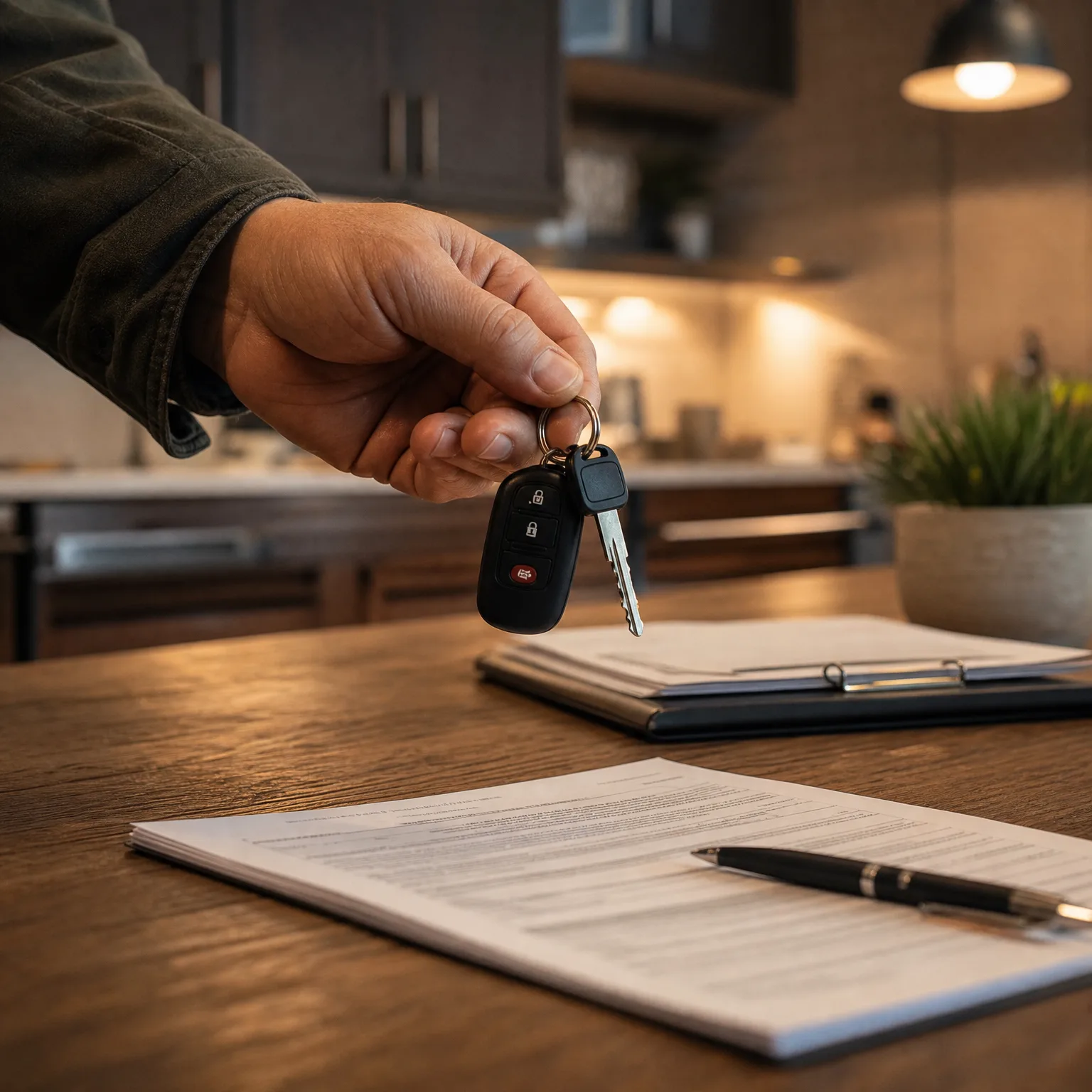
The filing sequence is the same whether you drive rideshare or not: conviction or refusal triggers the requirement, Florida DMV sends notice of suspension, you have 10 days from the notice date to secure FR-44 coverage before your license suspends, and the carrier electronically files the FR-44 certificate with the state. The 3-year compliance period starts on your reinstatement date, not your conviction date.
The commercial element adds steps. You'll need to disclose rideshare driving during the application—concealing it voids the policy and cancels your FR-44 filing, which the DMV receives notification of within 24 hours via the SR-26 electronic lapse system. Most non-standard carriers (Bristol West, Direct Auto, Dairyland, GAINSCO, The General) will write FR-44 but explicitly exclude rideshare in the policy exclusions section. Progressive and State Farm will write FR-44 for existing customers and offer rideshare endorsements, but they typically non-renew at the first policy anniversary after a DUI conviction.
If you're already driving for Uber or Lyft when the FR-44 requirement hits, deactivate your driver account immediately and do not accept rides until you have confirmed rideshare coverage in writing. Driving commercially without proper coverage is a separate criminal offense in Florida—FS 324.151 makes it a second-degree misdemeanor—and Uber and Lyft run continuous background and DMV checks that will catch your suspended license within 48-72 hours of the suspension going active.
Which Carriers Will Write FR-44 Coverage for Rideshare Drivers
Progressive is the most common solution for rideshare drivers needing FR-44 in Florida, but only if you were already insured with them before the conviction. They'll file FR-44 for existing customers, add the rideshare endorsement for an additional $10-$25 per month, and maintain coverage through the first policy term. Expect non-renewal at month 6 or 12, at which point you'll need to find a non-standard carrier and likely stop driving rideshare.
State Farm follows a similar pattern—they'll file FR-44 and add rideshare coverage for current policyholders, but they non-renew DUI risks aggressively. Geico and Allstate will file FR-44 but do not offer rideshare endorsements in Florida, so they're not viable options. USAA (military-only) will file FR-44 and offers rideshare coverage, but they're restrictive about DUI risks even for existing members.
In the non-standard market, no major FR-44 carrier currently offers rideshare endorsements in Florida. Bristol West, Direct Auto, Dairyland, GAINSCO, The General, Safe Auto, Acceptance, and Mendota all explicitly exclude transportation network company activity in their policy forms. If you're forced into the non-standard market after a non-renewal, you cannot legally drive for Uber or Lyft under those policies.

Meet Your FR-44 Requirement Without Overpaying
Get FR-44 Insurance CoverageWhat Happens to Your Rideshare Income During the 3-Year FR-44 Period
If you secure FR-44 coverage with a rideshare endorsement through Progressive or State Farm, you can continue driving during the initial policy term—typically 6 months. Premium will run $400-$700 per month depending on your county, age, vehicle, and exact conviction details. Miami-Dade, Broward, and Palm Beach counties run higher. After the first term, expect non-renewal and a forced switch to non-standard carriers that won't cover rideshare.
Most rideshare drivers shift to delivery platforms at that point. DoorDash, Instacart, and UberEats require commercial use disclosure, but the insurance requirement is lighter—you're not transporting passengers, which is the higher-risk activity that rideshare endorsements specifically cover. Some non-standard FR-44 carriers will add a delivery endorsement or classify it as business use rather than commercial passenger transport. Premium increases $20-$50 per month over standard personal use.
The financial calculation: if you're earning $1,500-$2,500 per month from rideshare after expenses, and your FR-44 premium is $500-$700 per month, the margin gets tight. Many drivers exit gig work entirely during the FR-44 period, return to W-2 employment, and resume rideshare after the 3-year filing requirement ends and they can return to standard-market rates.
How to Disclose Rideshare Activity When Applying for FR-44 Coverage
When you request a quote from a carrier, state explicitly: "I need FR-44 filing for a DUI conviction in Florida, and I drive for Uber/Lyft. I need rideshare coverage included or I need to know if that's excluded." Do not wait for the agent to ask. Do not assume the rideshare endorsement question will appear on the application form.
If the carrier offers a rideshare endorsement, confirm in writing that it applies during Period 1—app on, waiting for ride requests. Some endorsements only cover Periods 2 and 3, which duplicates coverage Uber and Lyft already provide and leaves you uninsured during the gap period. Request a policy declarations page before binding coverage, and verify the endorsement code appears.
If the carrier says rideshare is excluded, do not accept the policy and attempt to drive anyway. The exclusion appears in the policy exclusions section, and if you're in an accident during any rideshare period, the carrier will deny the claim, cancel your policy for misrepresentation, and file an SR-26 lapse notice with Florida DMV. Your license suspends again immediately, your FR-44 compliance clock does not pause, and you'll face additional penalties for driving on a suspended license—a criminal charge separate from the original DUI.
What to Do If You Can't Find FR-44 Coverage That Includes Rideshare
Stop driving for Uber and Lyft until you can secure proper coverage or until your 3-year FR-44 period ends. Deactivate your driver account—do not just stop accepting rides while leaving the account active, because Uber and Lyft run continuous background checks and will flag your license suspension, which can result in permanent deactivation depending on how they classify the violation.
Consider switching to delivery platforms that don't transport passengers. DoorDash, Instacart, UberEats, and Shipt have simpler insurance requirements, and some non-standard FR-44 carriers will add delivery endorsements where they won't add rideshare. Premium impact is smaller, and the coverage gap during "waiting for order" periods is less severe than the rideshare Period 1 gap.
If rideshare income is essential and you're within the first 6-12 months of your FR-44 requirement, prioritize carriers who will file FR-44 and add rideshare endorsements even if the premium is $600-$700 per month. That window closes when they non-renew you. After non-renewal, your options narrow to exiting rideshare or driving uninsured—and driving uninsured during an FR-44 compliance period results in license suspension extension, potential jail time under Florida's habitual traffic offender statute, and vehicle impoundment.
Frequently Asked Questions
Does Uber or Lyft insurance cover me during my FR-44 period in Florida?
Uber and Lyft provide contingent liability coverage during Period 2 (en route to pickup) and Period 3 (rider in vehicle), but nothing during Period 1 when the app is on and you're waiting for a ride request. Your personal FR-44 policy must cover that gap, and most non-standard carriers exclude rideshare activity entirely. If your policy excludes rideshare and you're in an accident during Period 1, both your carrier and Uber/Lyft will deny the claim.
Will my rideshare insurance company find out about my DUI conviction?
Yes—carriers run your MVR at application, renewal, and after any claim. Florida DMV records show DUI convictions and FR-44 filing requirements immediately. If you're already insured and add a rideshare endorsement after a DUI, the underwriting review will catch the conviction. Concealing it is policy fraud, voids coverage, and results in immediate SR-26 lapse filing with the state.
Can I switch from rideshare to delivery work and keep my FR-44 policy?
Yes, and delivery work (DoorDash, Instacart, UberEats) has simpler insurance requirements because you're not transporting passengers. Some non-standard FR-44 carriers will add a delivery or business-use endorsement where they won't add rideshare. Disclose the delivery activity when you apply—treating it as personal use only is a misrepresentation that will void your FR-44 filing if discovered.
What happens if I drive for Uber with an FR-44 requirement but no rideshare coverage?
You're driving uninsured during Period 1, which is a second-degree misdemeanor in Florida under FS 324.151. If you're in an accident, your carrier denies the claim, cancels your policy for misrepresentation, and files an SR-26 lapse notice—your license suspends again immediately. Uber will deactivate your account, and you'll face additional criminal charges for driving on a suspended license during an FR-44 compliance period.
Related Articles
Florida FR-44: Higher Limits After a DUI
4/16/2026
Rideshare Driver With FR-44 in Florida: Coverage Gaps
4/27/2026

Rideshare Coverage with FR-44 in Florida: Policy Setup
4/27/2026

Switching to Rideshare During FR-44 in Florida
4/27/2026
Undocumented Drivers and FR-44 in Florida: Options
4/27/2026
Switching to Rideshare During FR-44 in Florida
4/27/2026