
FR-44 + IID Combined in Florida: Filing Process Step-by-Step
Free to compare
Why Florida Requires Both FR-44 and IID After a DUI
Florida mandates FR-44 insurance and an ignition interlock device (IID) for the same DUI conviction because they serve different compliance functions. FR-44 proves you carry 100/300/50 liability coverage — double Florida's standard minimums. The IID physically prevents your vehicle from starting if your breath-alcohol concentration exceeds 0.02%, the state's threshold during the restricted license period.
First-time DUI convictions with BAC of 0.15% or higher require IID for at least 6 months. Second and third DUI convictions require IID for 1-2 years minimum, depending on conviction dates. All scenarios requiring IID also require FR-44 for the full 3-year filing period.
The court orders IID installation as part of sentencing. The DMV requires FR-44 filing before reinstating your license after the hard suspension period. You need both active simultaneously to drive legally during the compliance period.

Which Requirement You Must Complete First
You must complete IID installation and receive DMV confirmation before any carrier can successfully file FR-44 on your behalf. Florida's driver license database cross-references IID installation status against FR-44 filings — the system rejects FR-44 submissions if no active IID record appears under your license number.
The correct sequence: complete your hard suspension period, schedule IID installation with a state-approved vendor, obtain the installation certificate showing device serial number and installation date, submit that certificate to the county clerk where you were convicted, wait 3-5 business days for the clerk to update the state database, then contact your insurance carrier to file FR-44. Attempting FR-44 filing before the IID record populates causes automatic rejection, and most carriers won't refile for 10-14 days.
This sequence reversal is the single most common reinstatement delay among Florida DUI filers over age 65. The court paperwork lists both requirements but doesn't specify the technical dependency between them.

How to Install the Ignition Interlock Device
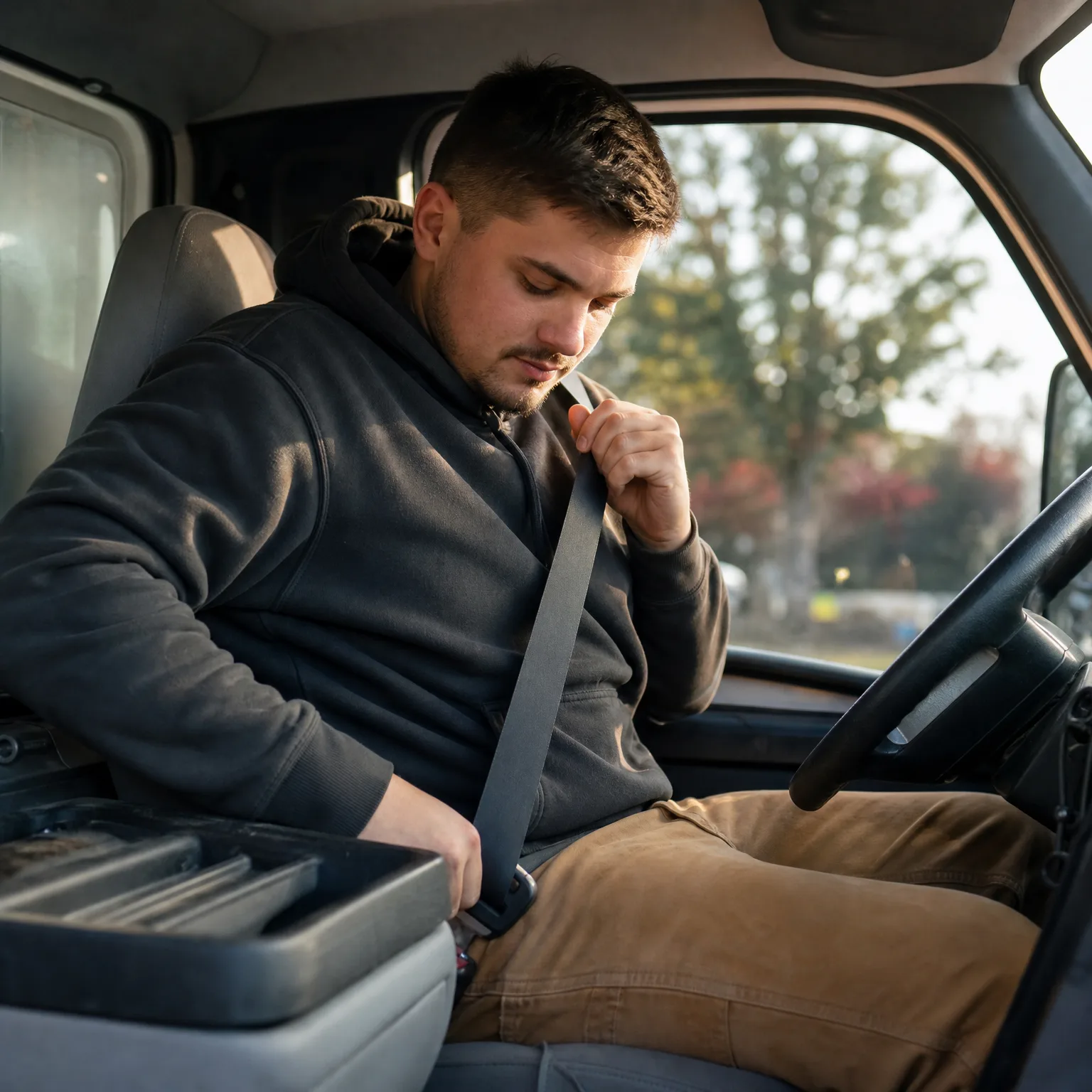
Florida requires IID installation through a state-approved vendor licensed under Florida Statute 316.1938. Approved vendors as of current regulations include Intoxalock, LifeSafer, Smart Start, and Guardian Interlock — the full vendor list appears on the Florida Department of Highway Safety and Motor Vehicles website under the Alcohol Ignition Interlock Program section.
Call the vendor directly to schedule installation. Bring your vehicle, your court order specifying IID requirement and duration, and your driver license. Installation takes 60-90 minutes. The vendor calibrates the device, photographs the installation, and issues a Certificate of Installation showing device serial number, installation date, and your license number. Installation cost ranges from $70-$150, plus monthly monitoring fees of $60-$90.
The vendor transmits installation data to the state electronically within 24 hours. You must submit the paper Certificate of Installation to the county clerk in the county where you were convicted — not the DMV directly. The clerk updates the court compliance record, which feeds the DMV database. This transmission takes 3-5 business days during normal processing periods, longer during December-January when court staff schedules are reduced.
When and How to Request FR-44 Filing From Your Carrier
Contact your current auto insurance carrier 5-7 business days after submitting your IID installation certificate to the county clerk. Ask specifically whether they file FR-44 for Florida DUI convictions. State Farm, Geico, Allstate, and Progressive will file FR-44 for existing customers but typically non-renew the policy at the end of the current term — usually 6 months.
Provide your carrier with your license number, conviction date, and IID installation certificate number. The carrier verifies your IID compliance status in the Florida driver database before submitting the FR-44 filing electronically to the DMV. If the IID record hasn't populated yet, the filing is rejected and you'll need to wait the full 10-14 day refile window.
FR-44 policies require 100/300/50 liability minimums: $100,000 bodily injury per person, $300,000 per accident, $50,000 property damage. Your premium will typically increase to 2-3x your pre-conviction rate. For a driver over 65 with a clean prior record, expect monthly premiums of $280-$450 during the FR-44 period, compared to $90-$140 before the conviction. The carrier files FR-44 electronically the same day once your application is approved — paper filings are no longer accepted in Florida.

Meet Your FR-44 Requirement Without Overpaying
Get FR-44 Insurance Coverage
What Happens If Your Carrier Won't File FR-44
If your current carrier declines to file FR-44 or cancels your policy after the conviction, you'll need coverage from a non-standard carrier that specializes in high-risk filings. Non-standard carriers writing FR-44 in Florida include Bristol West, Direct Auto, Dairyland, GAINSCO, The General, Safe Auto, Acceptance, and Mendota.
Non-standard FR-44 policies cost more than standard-market filings — monthly premiums for drivers over 65 typically range from $320-$520, depending on county, vehicle type, and whether you carry comprehensive and collision. You're not required to carry physical-damage coverage during FR-44 compliance, only the 100/300/50 liability minimums, but dropping collision and comprehensive only reduces premium by $40-$80 per month in the non-standard market.
Non-standard carriers require full payment upfront or accept monthly installments with a $15-$25 installment fee per payment. Most offer online quotes with FR-44 filing included. The application process takes 20-40 minutes. Once approved, the carrier files FR-44 electronically within 24-48 hours. Approval is not guaranteed — non-standard carriers can decline applicants with multiple DUI convictions, at-fault accidents during the suspension period, or lapses in prior coverage exceeding 60 days.

How to Confirm Both Requirements Are Active in the DMV System
Florida's DMV does not send proactive confirmation when FR-44 filing and IID compliance are both recorded. You must verify status yourself before attempting license reinstatement. Call the DMV Customer Service Center at 850-617-2000 or visit a driver license office in person with your license number and conviction case number.
Ask the clerk to confirm three items: active IID installation record with device serial number, active FR-44 filing with your carrier's name and policy number, and reinstatement eligibility status showing no outstanding holds, fees, or compliance gaps. If either the IID or FR-44 record is missing, the clerk will tell you which agency has not yet transmitted data — the court system for IID, or your carrier for FR-44.
Once both records appear active, you can pay the reinstatement fee — $45 for license reinstatement plus $130 for DUI reinstatement, totaling $175 — and receive your restricted license allowing IID-only driving. This restricted license remains in effect until your IID requirement ends, typically 6 months to 2 years depending on your conviction. FR-44 filing continues for the full 3-year period measured from your reinstatement date, not your conviction date.
What Breaks Compliance During the 3-Year Period
Three events terminate FR-44 and IID compliance and trigger immediate license re-suspension: FR-44 policy cancellation for non-payment, IID tampering or circumvention attempt detected by the monitoring system, or any failed IID breath test above 0.02% BAC. Florida uses an SR-26 form that carriers must file electronically within 24 hours of policy cancellation — the DMV receives the notice and suspends your license the same day.
IID vendors transmit breath-test data to the state monitoring program weekly. A single failed test generates a violation notice mailed to your address and the court. Two failed tests within 30 days trigger automatic IID extension of 90 days beyond your original end date. Three failed tests or one tampering event terminates your restricted license and requires a new court hearing.
Maintaining compliance means paying your FR-44 premium on time every month, completing IID calibration appointments every 60 days as required by your vendor, and avoiding any breath-test failures. Set up automatic payment for your FR-44 policy if your carrier offers it — 30% of re-suspensions among drivers over 65 result from missed premium payments during months 8-18 of the filing period, when the initial urgency has faded but the requirement is still fully active.
Frequently Asked Questions
Can I get FR-44 insurance before installing the ignition interlock device in Florida?
You can obtain an FR-44 policy before IID installation, but the carrier cannot successfully file FR-44 with the Florida DMV until the IID installation record appears in the state database. The filing will be rejected if submitted before IID compliance is confirmed, delaying reinstatement by 10-14 days while you wait for the refile window.
How long does it take for the IID installation to show up in the Florida DMV system?
IID vendors transmit installation data to the state within 24 hours, but the county clerk must update the court compliance record before it feeds the DMV database. This typically takes 3-5 business days after you submit the installation certificate to the clerk, longer during holiday periods when court staff schedules are reduced.
What happens if my FR-44 carrier cancels my policy mid-term?
The carrier files an SR-26 cancellation notice electronically with the Florida DMV within 24 hours. Your license is suspended the same day the DMV receives the SR-26. You must obtain new FR-44 coverage from another carrier, have them file electronically, wait for DMV confirmation, then pay a reinstatement fee to restore your license.
Do I need FR-44 insurance on a vehicle that has the ignition interlock device installed?
Yes. FR-44 insurance and IID installation are separate requirements that both remain active simultaneously. FR-44 proves you carry 100/300/50 liability coverage. The IID prevents vehicle starting if BAC exceeds 0.02%. You need both to drive legally during the compliance period, and dropping FR-44 coverage suspends your license even if the IID remains installed and functional.
Related Articles

Florida FR-44: Higher Limits After a DUI
4/16/2026

FR-44 and IID Coordination in Alachua County Florida
4/27/2026

FR-44 and Ignition Interlock in Marion County FL
4/27/2026
FR-44 and IID Installation Timing in Escambia County FL
4/27/2026

FR-44 & IID Coordination in Sarasota County Florida
4/27/2026

FR-44 and IID Coordination in Pasco County Florida
4/27/2026