
FR-44 Policy Changes During Foreclosure in Florida: What Works
Free to compare
Can You Reduce FR-44 Coverage Limits During Foreclosure Without Losing Your Filing?
Yes, you can reduce your FR-44 liability limits to Florida's state minimums (100/300/50) without triggering a filing lapse, but you cannot drop below those minimums while your 3-year FR-44 requirement is active. The Florida Department of Highway Safety requires continuous proof of 100/300/50 coverage through the SR-26 electronic monitoring system — any lapse triggers immediate license suspension, even if the lapse is caused by switching carriers or adjusting coverage.
Most senior drivers carrying FR-44 purchased higher liability limits (250/500/100 or 300/500/100) at policy inception because their agent recommended it or because those were the only limits offered by the non-standard carrier at the time. Dropping to state minimums typically saves $40–$70 per month in the non-standard market — meaningful in a foreclosure situation, but far less than the $200–$400 many drivers expect.
The adjustment itself is straightforward: contact your carrier, request the reduction to 100/300/50, confirm in writing that your FR-44 filing will remain active through the change, and verify the new premium before the endorsement takes effect. The Florida DHSMV receives the updated limits electronically through SR-26 — no action required on your part. Your 3-year compliance clock is unaffected.
What Happens to FR-44 Filing If You Drop Collision and Comprehensive During Foreclosure?
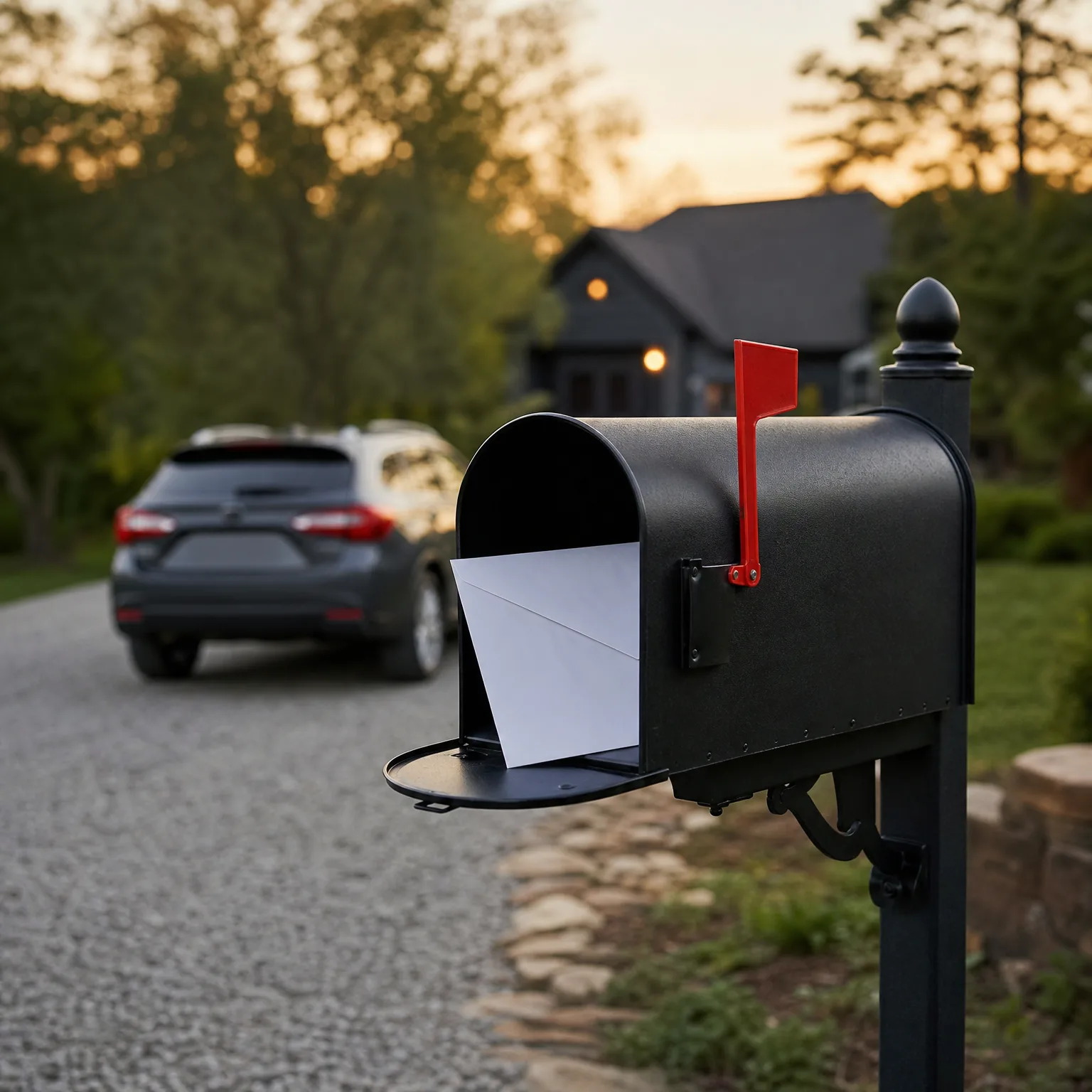
Dropping collision and comprehensive coverage does not affect your FR-44 filing status in Florida — FR-44 monitors only your liability coverage, not physical damage coverage on your vehicle. You can cancel collision and comp at any time without state consequence as long as your 100/300/50 liability limits remain active and filed.
The problem is your lender, not the state. If your vehicle is financed or leased, your loan agreement requires collision and comprehensive coverage with a deductible cap (typically $1,000 maximum) until the loan is satisfied. Dropping that coverage violates your loan contract. Your lender will receive electronic notification of the coverage change within 10–30 days through their loan tracking system, and most lenders respond by force-placing collision coverage on the vehicle at 2–3x the cost of voluntary coverage, adding the premium to your loan balance.
If foreclosure proceedings have already begun and you're surrendering the vehicle, dropping collision and comp makes sense — you won't carry coverage on a car you're giving back, and the lender can't force-place coverage on a vehicle they've repossessed. But if you're trying to keep the vehicle and renegotiate the loan, dropping physical damage coverage accelerates default. The correct sequence: confirm with your lender whether the vehicle will be surrendered, then adjust coverage accordingly.
Does Switching to a Different FR-44 Carrier Lower Your Premium During Financial Hardship?
Switching FR-44 carriers can reduce your premium by 15–30% if you're moving from a higher-cost non-standard carrier to a lower-cost non-standard carrier, but the switching process creates a 24–72 hour gap in SR-26 reporting that can trigger automatic license suspension in Florida if not managed correctly. Most senior drivers don't realize that Florida's SR-26 system monitors filing continuity in real time — even a single day without active electronic filing creates a lapse event.
The safest switching process: purchase the new FR-44 policy with an effective date 1–3 days in the future, confirm the new carrier has filed your FR-44 electronically with the Florida DHSMV, wait for DHSMV confirmation (usually 2–5 business days), then cancel your old policy effective the same date your new policy began. Never cancel the old policy first. If you cancel before the new FR-44 filing is confirmed active in the SR-26 system, you create a lapse, and Florida suspends your license immediately — reinstatement requires paying the suspension fee, re-filing FR-44, and restarting your compliance period from zero.
Carriers with competitive FR-44 rates for senior drivers in Florida: Direct Auto, Bristol West, Dairyland, and GAINSCO. National carriers like State Farm, Geico, and Progressive will file FR-44 for existing customers but typically non-renew at the end of the policy term, forcing you back into the non-standard market anyway. If you're mid-term with a major carrier and facing foreclosure, switching now to a non-standard carrier you can stay with long-term often saves money and avoids a forced switch later.

Meet Your FR-44 Requirement Without Overpaying
Get FR-44 Insurance CoverageCan You Pause or Suspend FR-44 Coverage Temporarily to Reduce Costs?
No. Florida does not allow FR-44 suspension, pausing, or temporary cancellation during your 3-year compliance period. The requirement is continuous from your reinstatement date through 36 months — any coverage gap of 24 hours or longer triggers immediate license suspension, a $150–$500 reinstatement fee depending on your county, and a restart of your 3-year compliance clock from day one.
Some senior drivers ask whether storing the vehicle and canceling the policy temporarily would pause the FR-44 requirement while they resolve financial issues. It does not. Florida ties FR-44 to your driver license, not to vehicle registration. Even if you're not driving, even if your vehicle is in storage or surrendered in foreclosure, you must maintain active FR-44 liability coverage on some vehicle to keep your license valid. The only way to end the requirement early is to move permanently to a state that does not require FR-44 and surrender your Florida license — and even then, if you return to Florida within the original 3-year window, the requirement reinstates.
If you cannot afford your current FR-44 premium and foreclosure has eliminated your vehicle, you have two options: switch to non-owner FR-44 liability coverage (costs $50–$90/month in the non-standard market and satisfies the state requirement without insuring a specific vehicle), or allow your license to suspend and resolve the FR-44 requirement later when your financial situation stabilizes. Neither option is ideal, but non-owner FR-44 is the only way to maintain legal driving status without a vehicle during financial hardship.
How Does Bankruptcy Affect FR-44 Insurance Requirements in Florida?
Filing for bankruptcy does not pause, reduce, or eliminate your FR-44 requirement in Florida. The 3-year FR-44 compliance period is a license reinstatement condition imposed by the Florida DHSMV following a DUI conviction or breath-test refusal — it is not a debt, and bankruptcy does not discharge state license requirements.
What bankruptcy does affect: your ability to finance FR-44 premiums. Most non-standard carriers do not offer installment payment plans to drivers in active Chapter 7 or Chapter 13 bankruptcy without court approval, and some carriers require full 6-month payment up front if your bankruptcy filing appears on your credit report. If your foreclosure is part of a larger bankruptcy proceeding, confirm with your FR-44 carrier whether your payment plan will continue or whether you'll be required to pay in full at renewal.
One scenario where bankruptcy helps: if your FR-44 insurance debt (unpaid premiums from a prior policy) is listed in your bankruptcy filing, that debt is discharged, and the carrier cannot report the non-payment to your credit report or refuse to quote you based on the old debt. But the carrier is not required to offer you a new policy, and in Florida's non-standard market, carriers routinely decline applicants with recent bankruptcy even if FR-44 is required. Your best option: apply with multiple non-standard carriers simultaneously (Direct Auto, Safe Auto, Acceptance, The General) to find one willing to write the policy under current bankruptcy.

What Is Non-Owner FR-44 and Does It Work If Your Vehicle Is Foreclosed?
Non-owner FR-44 is a liability-only insurance policy that satisfies Florida's FR-44 filing requirement without insuring a specific vehicle you own. It provides 100/300/50 liability coverage when you drive a vehicle you do not own — a borrowed car, a rental, or a vehicle owned by a family member. Non-owner FR-44 does not cover damage to the vehicle you're driving; it covers only your liability to others if you cause an accident.
If your vehicle has been foreclosed or surrendered and you no longer own a car, non-owner FR-44 keeps your license valid and your FR-44 compliance active while you're without a vehicle. Premium cost in Florida: typically $50–$90 per month in the non-standard market, compared to $200–$400/month for standard owner FR-44 coverage. The state does not distinguish between owner and non-owner FR-44 — both satisfy the filing requirement equally, and your 3-year compliance clock continues without interruption.
Non-owner FR-44 does not work if you live with a family member who owns a vehicle and you drive that vehicle regularly. In that situation, Florida law requires you to be listed as a rated driver on the owner's policy with FR-44 filed under your name on that policy. Non-owner coverage is designed for occasional use of borrowed vehicles, not regular use of a household vehicle. If you're living with an adult child or other family member during foreclosure and driving their car, the correct setup is to be added to their policy as a listed driver with FR-44 endorsement — premium impact is significant ($150–$250/month added to their policy), and many family members are unaware this is required until a claim is denied.
Frequently Asked Questions
Can I keep my car insurance if my house is being foreclosed in Florida?
Yes, home foreclosure does not affect your ability to maintain car insurance or FR-44 filing in Florida. Your auto insurance policy and FR-44 requirement are independent of your mortgage status. If foreclosure is affecting your ability to pay your FR-44 premium, contact your carrier immediately to discuss payment plan options or switch to a lower-cost non-standard carrier before your policy lapses.
Will my FR-44 insurance company find out about my foreclosure?
Most FR-44 carriers do not monitor foreclosure filings, but they will see the impact on your credit report at your next renewal if the foreclosure is reported. In Florida's non-standard market, credit score changes of 50+ points can increase your FR-44 premium by 10–25% at renewal. Some carriers re-run credit checks mid-term if you request a coverage change, which could trigger a rate adjustment before your renewal date.
What happens to my FR-44 if I have to surrender my car to the bank?
Surrendering your vehicle does not end your FR-44 requirement. You must either purchase non-owner FR-44 coverage to maintain your license without a vehicle, or be added as a listed driver with FR-44 endorsement on another household member's policy if you'll be driving their car. If you allow your FR-44 to lapse after surrender, Florida suspends your license immediately and restarts your 3-year compliance period from zero when you reinstate.
Can I get FR-44 insurance with bad credit after foreclosure in Florida?
Yes, but your premium will be significantly higher. Non-standard carriers in Florida that write FR-44 (Direct Auto, Safe Auto, Acceptance, Bristol West) accept applicants with poor credit and foreclosure history, but expect premiums 30–60% higher than standard FR-44 rates. Florida law does not prohibit using credit score in insurance pricing, and most non-standard carriers heavily weight credit in their FR-44 underwriting.
Related Articles

Florida FR-44: Higher Limits After a DUI
4/16/2026

Vehicle Repo During FR-44: Policy Adjustment Options FL
4/27/2026
Paying Off Auto Loan During FR-44: Cost & Coverage Impact
4/27/2026
Job Loss During FR-44: Policy Options in Florida
4/27/2026

Moving Out of Florida With Active FR-44: Cost & Filing Rules
4/27/2026

Switching to Motorcycle During FR-44 in Florida
4/27/2026