
Eviction During FR-44: What Happens to Your Filing and Coverage
Free to compare
FR-44 Filing Stays Active Through Address Changes, But Only If You Notify the Carrier and DMV Correctly
Your FR-44 filing requirement continues regardless of housing status. Virginia and Florida both tie the 3-year compliance period to your conviction date (Virginia) or reinstatement date (Florida), not your residential stability. The filing itself doesn't terminate when you move or lose housing.
The risk is administrative lapse. If your carrier cannot reach you at the address on file, they may cancel your policy for non-contact or returned mail. Under both states' SR-26 notification systems, your insurer must notify the DMV within 10 days of policy cancellation. The DMV then suspends your license, and in Florida, the 3-year compliance clock restarts from your new reinstatement date.
To maintain continuous coverage during housing instability: notify your carrier of any address change within 30 days, confirm the new address appears on your policy declarations page, and verify your FR-44 form on file with the state reflects the updated information. Most non-standard carriers (Bristol West, Direct Auto, Dairyland) allow address updates by phone or online portal without policy repricing, but confirmation documentation is required.

What Counts as a Valid Address for FR-44 Compliance Purposes
Virginia and Florida DMVs require a physical street address on your driver's license and FR-44 filing form. P.O. boxes alone do not satisfy either state's residency documentation requirement for license reinstatement.
If you're staying with family or friends temporarily, you can list that physical address on both your license and insurance policy as long as you have verifiable permission to receive mail there. Most carriers accept a signed letter from the property owner or lease holder confirming you reside at the address. If you're in transitional housing, a shelter, or another temporary program, contact the program administrator—many facilities provide residency verification letters accepted by Virginia and Florida DMVs for license purposes.
Commercial mail-receiving services (like UPS Store mailboxes with street addressing) are not universally accepted. Florida explicitly prohibits commercial mail service addresses for driver's license purposes under Florida Statute 322.08. Virginia allows them only if paired with a separate physical residence address on file with the DMV.


How Moving Out of State Affects Your FR-44 Filing Requirement
FR-44 is required only in Virginia and Florida. If you move to another state during your compliance period, your filing obligation follows you under the Interstate Driver's License Compact.
If you move from Florida to Virginia or Virginia to Florida, both states recognize the FR-44 requirement and you must refile in your new state of residence. Your previous state's compliance time typically transfers, but you must confirm the credit with your new state's DMV within 30 days of establishing residency. Florida calculates the 3-year period from your original reinstatement date. Virginia calculates from your original conviction date.
If you move to a state that does not require FR-44 (any state except Virginia or Florida), you must still maintain SR-22 filing for the remainder of your compliance period if the new state participates in the Interstate Compact. Contact your new state's DMV before canceling your FR-44 policy to confirm what filing form they require and whether your compliance time transfers. Most non-standard carriers write policies in multiple states but will not automatically convert your FR-44 to SR-22—you must request the change and refile.

Meet Your FR-44 Requirement Without Overpaying
Get FR-44 Insurance CoveragePolicy Adjustment Options When Housing Costs Conflict with Premium Payments
FR-44 premiums average $200–$400 per month in the non-standard market, and missing even one payment triggers cancellation and DMV notification. If eviction or housing instability is straining your ability to maintain coverage, three immediate adjustments can reduce premium without dropping required liability limits.
Switch to minimum state limits only. Virginia requires 50/100/40 liability coverage; Florida requires 100/300/50. Dropping comprehensive, collision, and any coverage above the state minimum can reduce your premium by 30–50%. Most FR-44 filers carry full coverage out of habit from their previous standard-market policy, but it's not required during your compliance period unless you have an active auto loan.
Move to a usage-based or pay-per-mile program if your carrier offers it. Direct Auto and The General both offer mileage-tracking discounts in Florida and Virginia. If you're driving under 5,000 miles per year due to loss of employment, relocation, or reduced work commute, you may qualify for a 10–25% reduction.
Request a policy payment plan adjustment. Most non-standard carriers allow monthly payments but charge a $5–$15 installment fee per payment. If you're at risk of missing a payment due to timing, request a mid-term payment date change. Dairyland, Bristol West, and GAINSCO all allow one payment date adjustment per policy term without repricing your premium.
What Happens If Your Policy Lapses Due to Address Issues
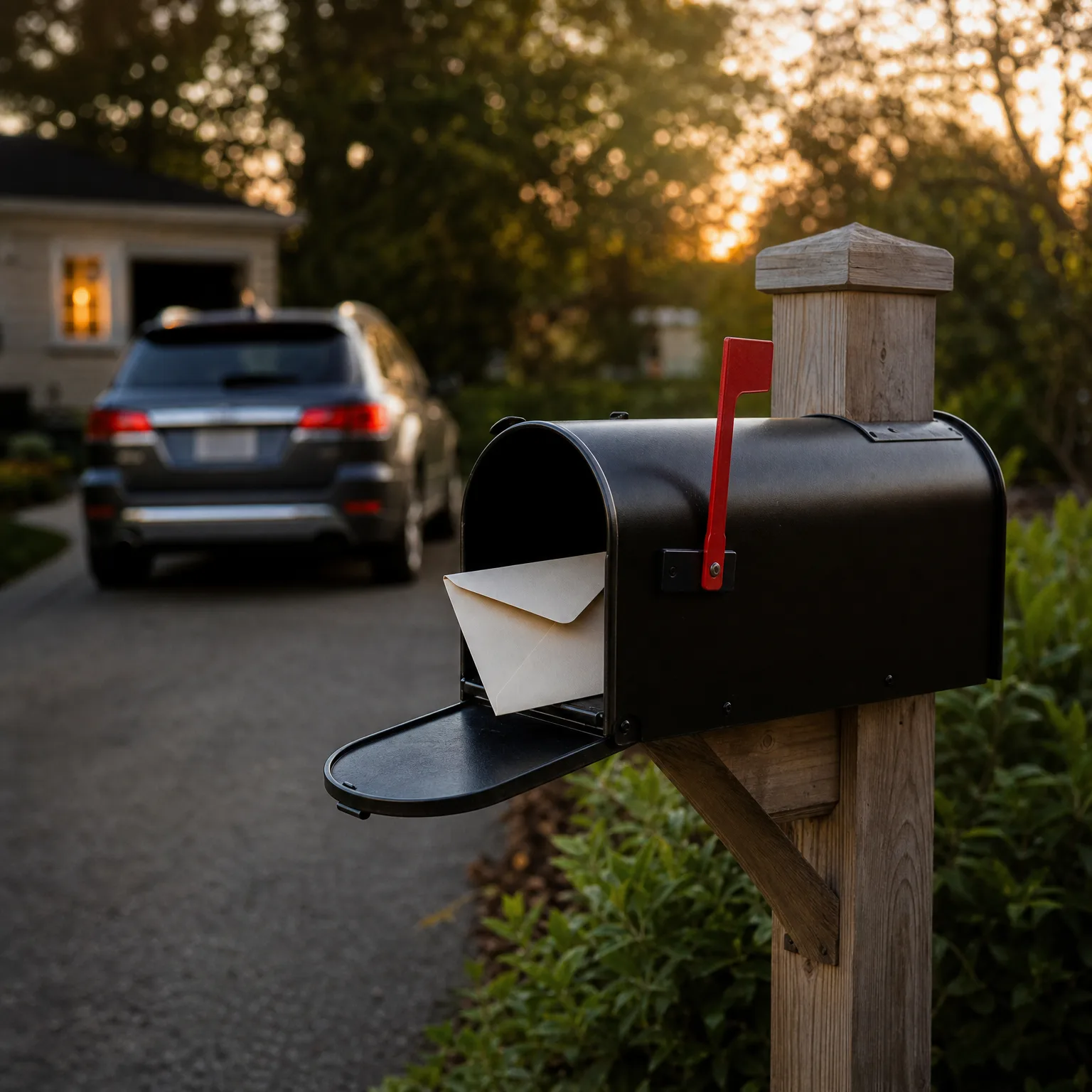
If your carrier cancels your policy due to returned mail or inability to contact you, the DMV receives an SR-26 lapse notification within 10 days. Your license is suspended immediately in both Virginia and Florida. Reinstatement requires proof of new coverage, payment of a reinstatement fee ($50 in Virginia, $45 in Florida), and in Florida, your 3-year FR-44 compliance period restarts from the new reinstatement date.
You cannot drive legally during the period between cancellation and reinstatement, even if you secure new coverage the same day. Florida law treats driving during suspension as a separate offense carrying up to 60 days in jail and an additional 2-year license revocation. Virginia treats it as a Class 1 misdemeanor with up to 12 months in jail.
To avoid lapse-triggered suspension: set up automatic payment from a checking account or prepaid debit card that remains active regardless of address changes, enable email and text notifications from your carrier as a backup to postal mail, and confirm your policy status online at least once per month during periods of housing instability.
How to Verify Your FR-44 Remains Active After an Address Change
Log into your carrier's online portal or call their FR-44 department directly and request confirmation that your current address matches the address on file with the Virginia or Florida DMV. Most carriers provide this confirmation immediately by phone.
Request a copy of your current FR-44 certificate. This is the form your carrier filed electronically with the state. It should show your current address, your policy number, and the effective date range. If the address is incorrect, request an amended filing. Carriers typically process amended FR-44 forms within 3 business days at no additional charge.
Verify your address with the DMV separately. In Virginia, check your status online at dmvNOW.virginia.gov under License Status. In Florida, check at flhsmv.gov under Driver License Check. If the DMV shows a different address than your insurance policy, update your license in person or by mail using form DL-17 (Virginia) or HSMV 83045 (Florida) within 30 days of the address change under current state requirements.
Frequently Asked Questions
Can I use a P.O. box as my address on my FR-44 filing?
No. Both Virginia and Florida require a physical street address on your driver's license and FR-44 form. P.O. boxes do not satisfy residency documentation requirements for license reinstatement in either state.
Does my 3-year FR-44 requirement restart if I move to a new address?
No, but only if you update your address with both your carrier and the DMV within 30 days. The 3-year period is calculated from your conviction date in Virginia or reinstatement date in Florida. An address change alone does not reset the clock, but a policy lapse caused by returned mail triggers an SR-26 notification that can restart your compliance period in Florida.
What if I'm staying temporarily with family—can I use their address for FR-44?
Yes. You can list a family member's or friend's physical address on your policy and license as long as you have verifiable permission to receive mail there. Most carriers accept a signed letter from the property owner confirming you reside at that address.
Will my FR-44 premium increase if I change my address during the policy term?
It depends on the new address. Most non-standard carriers (Bristol West, Direct Auto, Dairyland) allow mid-term address updates without immediate repricing, but your premium may adjust at renewal based on the new ZIP code's risk rating. Moving to a higher-risk area typically increases your rate by 10–30%.
What happens if my carrier cancels my FR-44 policy because they couldn't reach me?
Your carrier files an SR-26 lapse notification with the DMV within 10 days, triggering immediate license suspension in both Virginia and Florida. Reinstatement requires new proof of coverage, a reinstatement fee ($50 in Virginia, $45 in Florida), and in Florida, your 3-year compliance period restarts from the new reinstatement date.
Related Articles

Florida FR-44: Higher Limits After a DUI
4/16/2026
Moving in Florida With FR-44: Address Updates & Rate Impact
4/27/2026

Moving States During FR-44: Florida Filing Requirements
4/27/2026

Moving States Mid-FR-44 Period: Lapse Rules Explained
4/27/2026

Moving Between VA and FL Mid-FR-44: Policy Options
4/27/2026

Moving VA to FL Mid-FR-44: Impact on Filing Period
4/27/2026