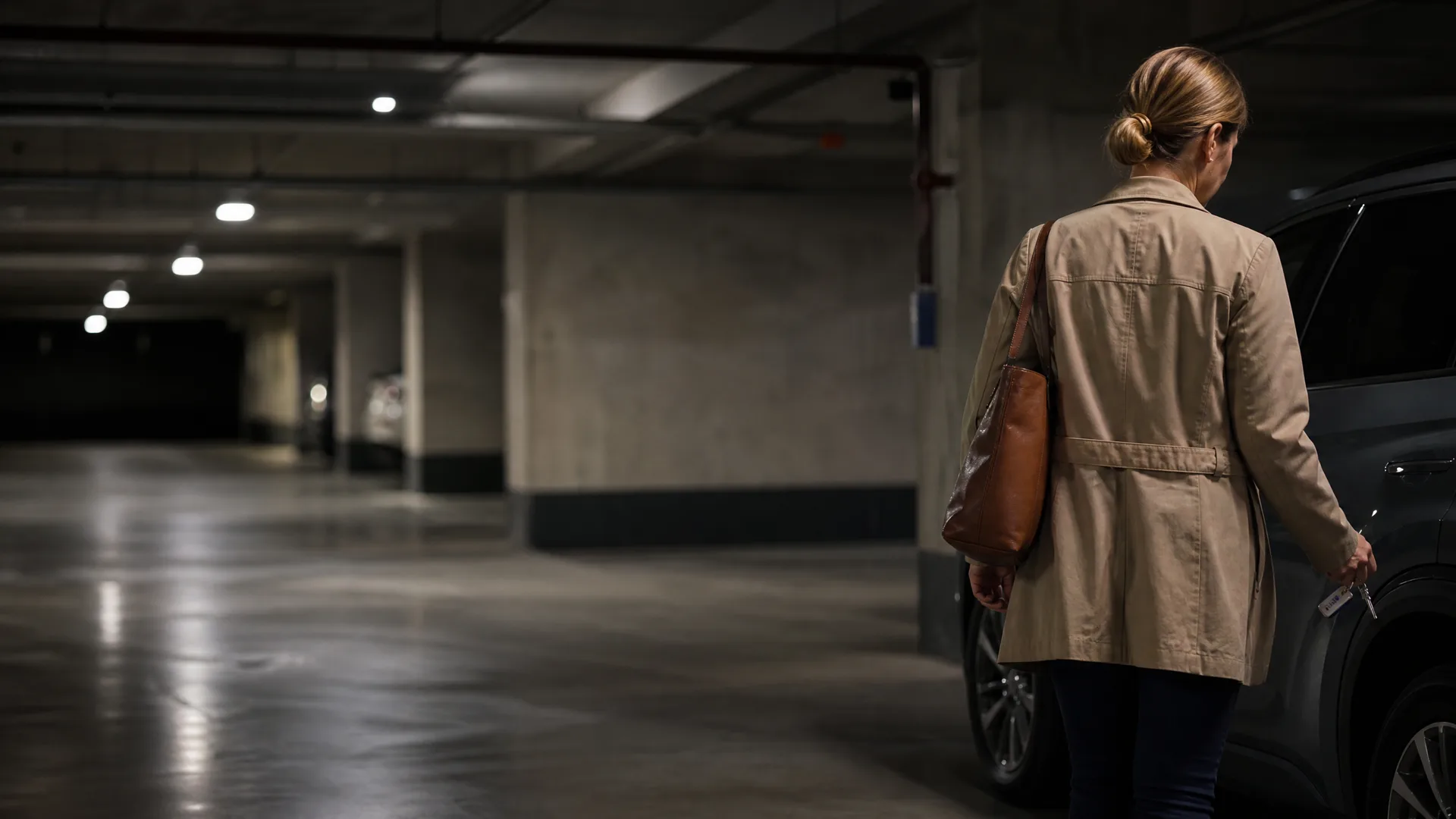
DUI With Property Damage in Virginia: FR-44 Cost and Carrier Options
Free to compare
Why Property Damage Changes Your FR-44 Situation
Property damage during a DUI arrest adds civil liability exposure on top of your criminal conviction, and that combination triggers faster carrier non-renewal than DUI alone. Virginia requires FR-44 filing for three years from your conviction date regardless of property damage, but carriers treat property damage claims as high-severity events even when the actual damage is minor.
Standard carriers like State Farm, Geico, and Progressive may file your FR-44 initially if you're an existing customer, but most issue non-renewal notices within 60-90 days once the property damage claim appears in CLUE and ISO databases. The claim stays visible for seven years, but the FR-44 requirement lasts only three — meaning you'll need non-standard market coverage during the filing period, then face continued difficulty returning to standard carriers until the claim ages off.
The property owner's insurance carrier will pursue subrogation to recover repair costs, medical bills if anyone was injured, and loss-of-use expenses. That subrogation process runs parallel to your FR-44 requirement and creates ongoing underwriting flags that follow you between carriers.

What FR-44 Coverage Costs With Property Damage on Your Record
FR-44 insurance with a DUI and property damage claim typically costs $2,400-$4,800 annually in Virginia, or $200-$400 monthly, compared to $800-$1,200 annually for a clean-record driver with similar coverage. The property damage claim adds 15-30% to your base DUI surcharge because it signals both impaired judgment and measurable financial loss to the insurance system.
Virginia mandates 50/100/40 minimum liability limits for FR-44 filing — $50,000 per person injured, $100,000 per accident, and $40,000 property damage. These minimums are higher than Virginia's standard 25/50/20 requirements, and you cannot reduce them during your three-year filing period without triggering an SR-26 lapse notice to DMV that suspends your license again.
Non-standard carriers that write FR-44 policies — Bristol West, Direct Auto, Dairyland, GAINSCO, The General, Safe Auto — typically quote 30-50% higher premiums when property damage appears in your record alongside the DUI. The damage amount matters: claims under $5,000 add less surcharge than claims exceeding $10,000, but all property damage claims elevate you into the highest-risk underwriting tier for the full three-year filing period.
Six-month policies are standard in the non-standard market, meaning you'll pay premiums twice yearly and face renewal underwriting every six months. Miss a payment by more than the grace period (typically 10 days) and your carrier files SR-26 with Virginia DMV, suspending your license until you reinstate with proof of continuous coverage.


Which Carriers Will File FR-44 After Property Damage DUI
Most major standard carriers will not accept new FR-44 customers with property damage claims, and existing customers receive non-renewal notices after the first policy term. State Farm and Geico file FR-44 for current policyholders but typically non-renew within 6-12 months once underwriting reviews the full file. Progressive and Allstate rarely renew FR-44 policies past the first term when property damage is involved.
Non-standard carriers specialize in high-risk drivers and will quote FR-44 coverage with property damage claims, but acceptance varies by claim severity and your overall driving record. Bristol West and Direct Auto write FR-44 in Virginia and accept property damage claims under $15,000 if you have no other major violations in the past five years. Dairyland and GAINSCO quote higher but accept claims up to $25,000 with DUI convictions.
The General and Safe Auto operate in Virginia's non-standard market and file FR-44, but both require down payments of 20-30% of the six-month premium and use behavior-based underwriting that increases rates if you miss payments or file additional claims during the policy term. Acceptance Insurance writes FR-44 policies but typically requires an ignition interlock device (IID) if property damage exceeds $10,000, even if Virginia courts didn't mandate IID installation.
Regional carriers like Clinard Insurance and Seibels write high-risk auto policies in Virginia and may offer better rates than national non-standard carriers if you're based in Richmond, Virginia Beach, or Northern Virginia metro areas. These carriers use local agent networks rather than direct-to-consumer quoting, so you'll need to contact an independent agent who represents multiple non-standard carriers to compare options.
How Property Damage Affects Your Three-Year Filing Period
Virginia's three-year FR-44 filing period begins on your DUI conviction date, not your arrest date or the date the property damage occurred. If you're convicted January 15, 2024, your FR-44 requirement ends January 15, 2027, assuming you maintain continuous coverage without lapses. The property damage claim itself doesn't extend your filing period, but any license suspension for non-payment or coverage lapse restarts the clock.
The property owner's insurance carrier pursues subrogation independently of your FR-44 requirement, and that process typically takes 6-18 months to resolve. If you're underinsured — meaning the property damage exceeds your liability limits — the property owner can sue you personally for the difference. That civil judgment appears in public records and creates additional underwriting flags that carriers review at every renewal.
Virginia DMV monitors your FR-44 compliance through the SR-26 electronic filing system. Your carrier notifies DMV immediately if your policy cancels, lapses, or you reduce coverage below FR-44 minimums. DMV suspends your license automatically, and you cannot drive legally until you file proof of continuous coverage dating back to the lapse date — meaning you'll pay back premiums to close the gap plus reinstatement fees of $145 to Virginia DMV.
Once your three-year filing period ends, your carrier stops filing FR-44 with Virginia DMV but the DUI conviction and property damage claim remain on your record for insurance underwriting. The DUI conviction stays visible for 11 years in Virginia, and the property damage claim stays in national loss databases for seven years, so you'll continue paying elevated premiums even after FR-44 ends.

Meet Your FR-44 Requirement Without Overpaying
Get FR-44 Insurance Coverage
What to Do Immediately After Your DUI Conviction With Property Damage
Contact your current insurance carrier within 48 hours of your DUI conviction to determine if they will file FR-44 or if you need to find new coverage before your current policy expires. If your carrier non-renews, you have until your policy end date to secure FR-44 coverage — do not let your policy lapse, because any gap in coverage requires you to restart the entire FR-44 filing process from day one.
Request FR-44 quotes from at least three non-standard carriers that operate in Virginia. Provide complete information about the property damage claim — the dollar amount, whether injuries occurred, and whether the property owner's carrier has contacted you about subrogation. Underwriters need this information to quote accurately, and withholding it can result in policy rescission if discovered later.
Pay your property damage liability claim promptly if it falls within your policy limits. Delaying payment or disputing valid claims signals poor risk management to underwriters and can increase your premium at renewal. If the damage exceeds your limits, consult an attorney about your exposure before negotiating with the property owner's carrier — anything you say during subrogation can be used in civil court if they pursue a judgment.
Set up automatic payments for your FR-44 policy and link them to an account with sufficient buffer to prevent declined payments. A single missed payment in the non-standard market triggers SR-26 filing to Virginia DMV within 10-15 days, suspending your license and requiring reinstatement before you can drive legally again. Most non-standard carriers charge $25-$50 reinstatement fees plus the past-due premium to restore coverage after missed payments.
Document all interactions with Virginia DMV, your insurance carriers, and the property owner's carrier. Keep copies of your FR-44 filing confirmation, premium payment receipts, and any correspondence about the property damage claim. If DMV or a carrier disputes your coverage dates later, this documentation proves continuous compliance and prevents unnecessary license suspensions.

Does Property Damage Amount Change Which Carriers Accept You
Property damage claims under $5,000 rarely block FR-44 coverage in the non-standard market, but claims exceeding $10,000 trigger stricter underwriting and higher premiums. Bristol West and Direct Auto quote FR-44 policies with property damage up to $15,000 if your DUI is your only major violation in five years. Above $15,000, fewer carriers compete for your business and premiums increase 40-60% compared to lower-value claims.
Claims involving injuries to other people elevate your risk profile beyond property-only damage, even if your liability limits covered all medical costs. Carriers view injury claims as markers for severe impairment at the time of arrest, and most non-standard carriers add 25-35% surcharges when bodily injury appears alongside property damage in your DUI file.
If property damage exceeds $25,000 or involves multiple vehicles, you'll likely face assigned risk pool placement through Virginia Automobile Insurance Plan (VAIP). VAIP is Virginia's insurer of last resort and assigns you to a participating carrier that must provide FR-44 coverage, but premiums run 50-80% higher than voluntary non-standard market rates. VAIP policies renew automatically unless you qualify for voluntary market coverage, so securing a lower-cost carrier requires annual re-shopping once your risk profile improves.
Total loss claims — where the property damage exceeds the vehicle's actual cash value — create additional complications because they signal complete loss events that insurers correlate with maximum impairment. Even if your liability limits covered the total loss, carriers add substantial surcharges and some decline to quote entirely. The General and Safe Auto write these policies but require down payments of 30-40% and use the highest underwriting tier pricing for the full three-year filing period.
What Happens If the Property Owner Sues You
If property damage exceeds your liability limits or the property owner disputes your carrier's settlement offer, they can file a civil lawsuit to recover the difference. Virginia law allows property owners three years from the damage date to file suit, and a resulting judgment appears in public records that insurance underwriters review at every renewal for the next seven years.
Your FR-44 carrier has no obligation to defend you in civil court once the claim exceeds your policy limits, but they must defend you for damages within your limits. If the property owner sues for $50,000 and your property damage limit is $40,000, your carrier defends the case up to $40,000 and you're personally responsible for any judgment exceeding that amount plus your own legal costs.
Civil judgments for property damage don't extend your FR-44 filing period, but they create payment plans that appear in your credit report and public records. Insurance underwriters review both when pricing your renewals, and most non-standard carriers add 10-20% surcharges when civil judgments appear in your record even if you're making regular payments.
VirginiaCourts.gov lists all civil judgments publicly, and most insurance underwriters check these records during application and renewal underwriting. Satisfying the judgment — paying it in full — removes the balance but not the judgment record itself, which remains visible for seven years. Some carriers reduce or remove judgment surcharges once you satisfy the debt and provide proof of payment, but most maintain elevated pricing until the judgment ages off your record entirely.
Frequently Asked Questions
Does property damage during a DUI automatically require higher FR-44 coverage limits in Virginia?
No, Virginia's FR-44 minimums remain 50/100/40 regardless of property damage amount. However, if the property damage during your arrest exceeded $40,000, you may face civil liability beyond what your minimum policy covers, and many attorneys recommend carrying higher limits to reduce personal exposure during the three-year filing period.
Can I get FR-44 insurance in Virginia if the property damage claim is still open?
Yes, non-standard carriers write FR-44 policies with open property damage claims, but they'll quote based on the estimated claim value provided by your previous carrier or the property owner's insurer. Your premium may adjust at renewal once the claim closes if the final amount differs significantly from the initial estimate.
Will my FR-44 premium decrease after the property damage claim closes?
Typically no. Most non-standard carriers price your FR-44 policy based on the claim's existence and severity at policy inception, and that pricing tier remains fixed for the full three-year filing period regardless of when the claim closes. You'll see meaningful rate decreases only after your FR-44 requirement ends and you qualify for standard market coverage again.
What happens if I can't afford FR-44 insurance after a DUI with property damage?
You cannot legally drive in Virginia without active FR-44 coverage during your three-year requirement period. If cost is prohibitive, consider reducing coverage to state minimums, increasing your deductible to lower premiums, or using public transportation until you save enough for the down payment and first six-month premium that non-standard carriers require.
Related Articles

Virginia FR-44: Higher Limits After a DUI
4/16/2026
VA DUI Property Damage: FR-44 Timeline & Filing Process
4/27/2026

First DUI Under 0.15 BAC in VA: FR-44 Cost & Carriers
4/27/2026

Court-Ordered FR-44 (Non-DUI) in VA: Cost & Carriers
4/27/2026
Cheapest FR-44 Carriers in Virginia: Real Rates
4/27/2026

FR-44 Cost vs Your Pre-DUI Premium: Real Increase
4/27/2026