
DUI Overturned on Appeal: What Happens to Your FR-44 Requirement
Free to compare
The FR-44 Filing Doesn't Drop When Your Conviction Does
Your DUI conviction was overturned on appeal. The criminal record is vacated, but your FR-44 requirement is still active because Florida and Virginia DMVs operate independently from the court system that reversed your case.
No automatic notification goes from the appellate court to the DMV. The FR-44 filing you submitted after conviction — or the compliance period you're currently serving — continues until you manually submit certified court documentation proving the reversal. Until that documentation is processed, you're still legally required to maintain the filing.
Most drivers discover this 60-90 days after winning their appeal when they receive a standard FR-44 compliance reminder from their state. The conviction is gone, but the insurance requirement isn't.
What You Must Submit to Remove the FR-44 After Appeal
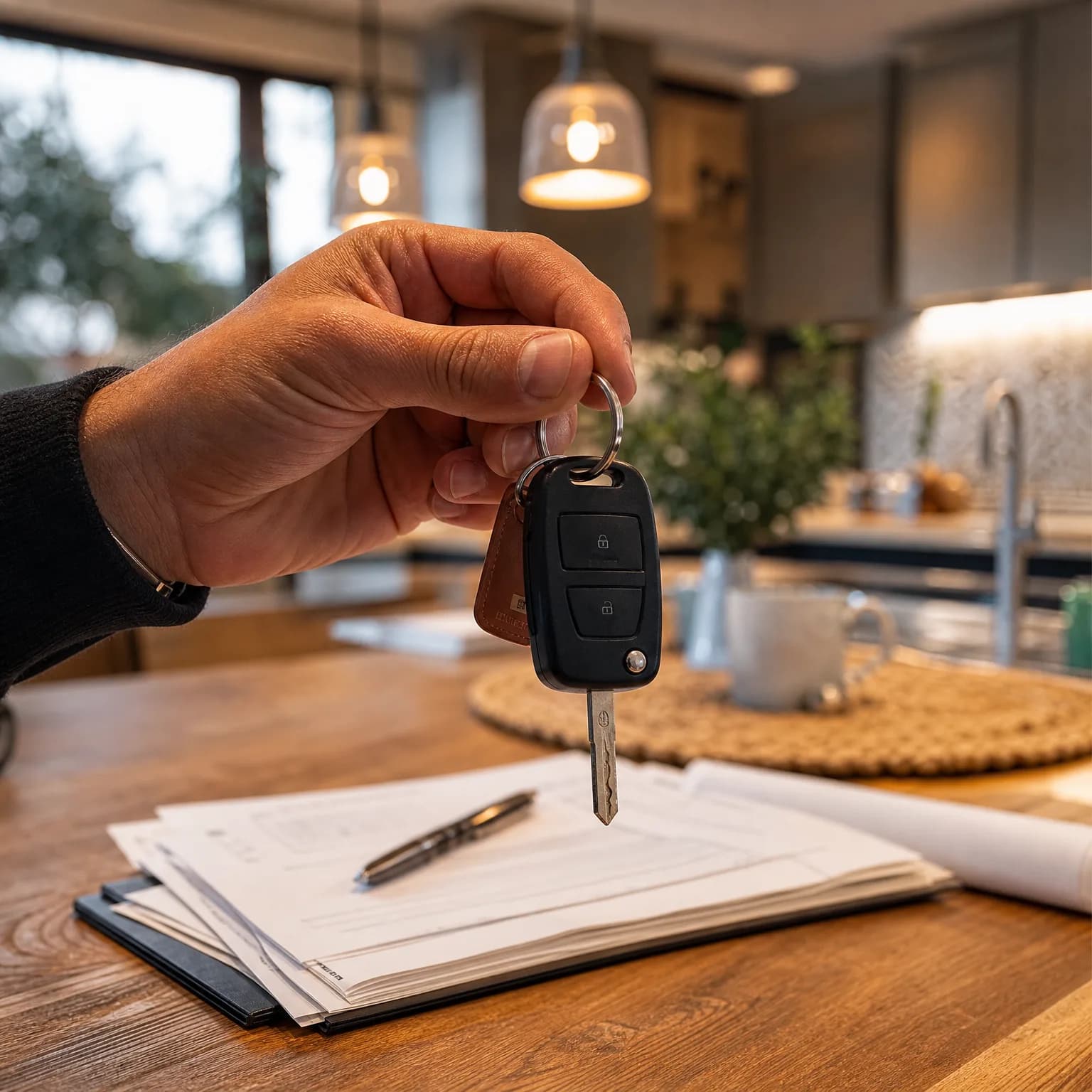
Florida requires a certified copy of the appellate court order vacating or reversing the DUI conviction, submitted directly to the Bureau of Financial Responsibility Services in Tallahassee. Virginia requires the same document sent to the DMV Financial Responsibility Division in Richmond, along with Form DLS-20 requesting removal of the FR-44 requirement.
Certified means a court-stamped original or a copy bearing the clerk's raised seal. A PDF from your attorney or a case status printout from the court website will be rejected. Most county clerk offices charge $2-5 per certified page and process requests within 5-10 business days.
The DMV review period after submission runs 30-45 days in both states. Florida processes removals faster if you include the FR-44 case number from your original compliance notice. Virginia requires you to wait for written confirmation before instructing your carrier to cancel the filing — removing it early triggers an automatic license suspension even if your appeal was successful.


Your Carrier Won't Drop FR-44 Filing Until the State Confirms Removal
Insurance carriers receive FR-44 removal authority only from the state, not from you or your attorney. Submitting your appellate court order to Progressive, Geico, or your non-standard carrier does nothing — they cannot cancel the filing until Florida or Virginia DMV sends them an SR-26 cancellation notice.
Most carriers will continue billing you at the elevated FR-44 premium rate during the 30-45 day DMV review period even after you submit removal documentation. That's 1-2 additional months of payments at 2-3x standard rates while the state processes paperwork for a conviction that no longer exists.
The premium reduction happens at your next renewal after the carrier receives state confirmation, not retroactively. If you paid $340/month under FR-44 and standard rates for your profile run $140/month, you will not receive a refund for the difference paid during the review window.
Timeline From Appeal Victory to Actual Premium Reduction
Appellate court issues reversal order: day 0. You request certified copies from the clerk: 5-10 business days. DMV receives and begins review: 30-45 calendar days. DMV issues SR-26 cancellation notice to your carrier: 3-7 business days after approval. Carrier processes removal and recalculates premium: at your next policy renewal, not mid-term.
Total elapsed time from winning your appeal to seeing a lower premium: 60-90 days minimum, and up to 150 days if your policy renewal falls late in that window. During this entire period, you're paying FR-44 rates for a compliance requirement tied to a conviction that was legally erased.
Some drivers in month 34 or 35 of their original 36-month FR-44 period choose to wait out the final weeks rather than file for early removal, avoiding the clerk fees and paperwork submission. That calculation only makes sense if your appeal concludes within 8 weeks of your scheduled FR-44 end date.

Meet Your FR-44 Requirement Without Overpaying
Get FR-44 Insurance Coverage
What Happens If You Were Already Non-Renewed by a Standard Carrier
Many standard carriers — State Farm, Allstate, Geico, Progressive — non-renew policies at the end of the term after filing FR-44 for an existing customer, forcing you into the non-standard market. If your DUI is overturned after you've already moved to a non-standard carrier like Bristol West or Direct Auto, the appeal reversal doesn't automatically make you eligible to return to your old carrier.
Non-renewal decisions are based on underwriting guidelines applied at the time of the DUI filing. Even with the conviction vacated, the carrier's internal record still shows the original offense and filing requirement. You can reapply as a new customer after DMV confirms FR-44 removal, but approval isn't guaranteed — some carriers maintain a 3-5 year lookback on DUI filings regardless of appellate outcome.
Your best path back to standard-market rates is shopping your policy as a clean driver 90 days after the DMV confirms FR-44 removal. Bring the certified appellate order and the DMV confirmation letter when you apply — underwriters at standard carriers can override automated declinations if you provide documentation proving the conviction was reversed, not just reduced or expunged.

If Your License Was Suspended, Appeal Reversal Doesn't Restore It Automatically
Florida and Virginia both impose administrative license suspensions for DUI that run parallel to the criminal case. Winning your criminal appeal reverses the conviction, but it does not automatically reverse the administrative suspension imposed by the DMV at the time of arrest.
Florida's admin-per-se suspension for breath test refusal or failure operates under a separate hearing process through the Bureau of Administrative Reviews. Virginia's administrative license revocation follows similar independent authority. These suspensions require separate appeals or reinstatement applications even after your criminal DUI is overturned.
If your FR-44 filing was required for license reinstatement after admin suspension, you may still need to maintain the filing until both the criminal reversal and the administrative reinstatement are complete. Consult the attorney who handled your appeal — most DUI appellate work does not include administrative license proceedings.
SR-22 vs FR-44: Different Rules Apply If You're in the Wrong State
Only Florida and Virginia require FR-44. If you see online advice about removing SR-22 after a DUI appeal, those procedures do not apply to you. SR-22 is required in 48 states; FR-44 is a higher-liability-limit filing used exclusively in FL and VA for DUI and serious alcohol-related offenses.
FR-44 requires 100/300/50 liability limits in Florida and 50/100/40 in Virginia. SR-22 typically certifies your state's minimum liability, which is much lower. The removal process, the filing period, and the carrier market are all different. Do not follow SR-22 removal guides if you're under FR-44 — the state forms, submission addresses, and review timelines will not match.
Frequently Asked Questions
Does my insurance company have to refund FR-44 premiums after my DUI appeal is won?
No. Carriers are not required to refund the difference between FR-44 rates and standard rates for the period between your appeal victory and the date the state formally cancels your filing requirement. You paid the correct premium for the compliance status in effect at the time, even though the underlying conviction was later reversed.
Can I cancel my FR-44 filing myself after winning a DUI appeal?
No. Only the Florida or Virginia DMV can authorize FR-44 cancellation by issuing an SR-26 notice to your carrier. Instructing your carrier to cancel the filing before receiving state confirmation will trigger an automatic license suspension for failure to maintain required financial responsibility, even if your conviction was overturned.
Will my old insurance carrier take me back after my DUI is overturned on appeal?
Not automatically. Carriers that non-renewed your policy after the original DUI filing may still decline to reinstate you even after the conviction is vacated. You can reapply as a new customer after the DMV confirms FR-44 removal, but approval depends on the carrier's underwriting guidelines and how long ago the original filing occurred.
How long does Florida DMV take to process FR-44 removal after a successful DUI appeal?
Florida's Bureau of Financial Responsibility Services typically processes FR-44 removal requests within 30-45 days after receiving certified appellate court documentation. Processing moves faster if you include your original FR-44 case number on the submission cover letter.
Related Articles

Florida FR-44: Higher Limits After a DUI
4/16/2026

DUI Expungement During FR-44 Period in Florida
4/27/2026

Charlotte County FL FR-44: First DUI Court & DMV Steps
4/27/2026

FR-44 in Orange County FL: DMV Filing Process Guide
4/27/2026

FL Non-Driver Status: FR-44 Filing Rules Explained
4/27/2026

FL License Reinstatement Timeline After FR-44 Filing
4/27/2026