
Classic Car FR-44 Filing in Florida: Step-by-Step Process
Free to compare
Why Classic Car Owners Face Unique FR-44 Complications in Florida
Your classic car insurance worked fine for years under an agreed-value policy with a specialty carrier like Hagerty, Grundy, or American Collectors. Then came the DUI conviction or breath-test refusal, and now Florida requires FR-44 filing for license reinstatement. The problem: most specialty classic car insurers don't file FR-44 certificates, and the non-standard carriers that do file FR-44 typically don't offer agreed-value coverage or charge 400-500% more than your previous premium.
Florida's FR-44 requirement mandates 100/300/50 liability minimums regardless of vehicle type. The state doesn't distinguish between a 2015 Honda Civic and a 1967 Mustang convertible. Your carrier must electronically file form SR-26 with Florida DHSMV confirming you maintain continuous coverage at those minimums for the full 3-year compliance period, measured from your reinstatement date, not conviction date.
The filing mechanism itself doesn't care about vehicle value or usage restrictions. But carrier underwriting does. Bristol West, Direct Auto, GAINSCO, and other non-standard carriers that routinely file FR-44 underwrite classic vehicles as standard pleasure-use autos, applying actual cash value coverage rather than stated or agreed value. If you total your restored classic, you receive market value for a 50-year-old car, not the $45,000 you spent on restoration.
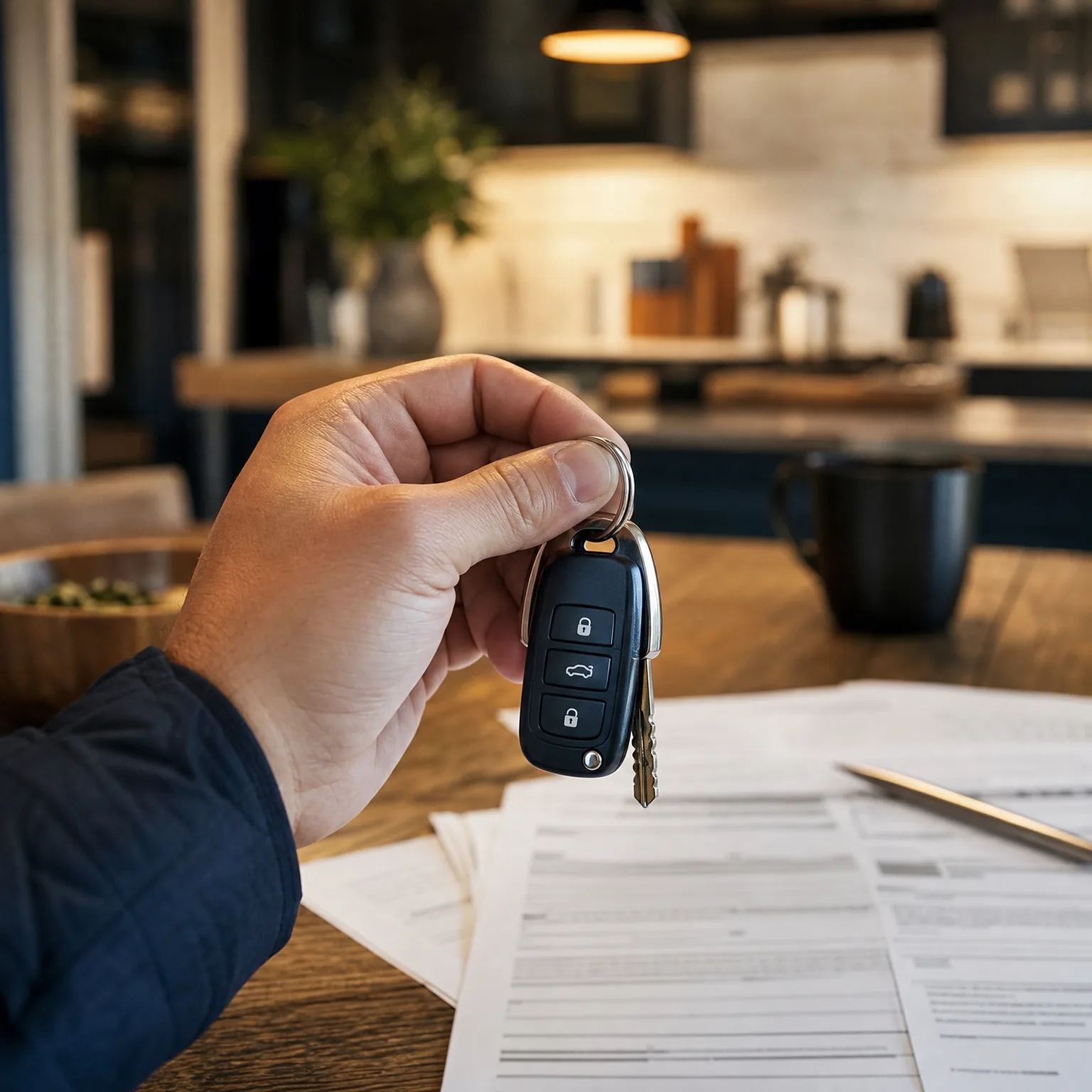
Step 1: Determine If Your Current Classic Carrier Will File FR-44
Contact your current classic car insurer within 48 hours of receiving your court order or DHSMV suspension notice. Ask three specific questions: Does the carrier file FR-44 certificates in Florida? Will they maintain your agreed-value coverage while filing FR-44? What premium increase applies for FR-44 filing?
Most specialty classic insurers including Hagerty, Grundy, American Modern, and Heacock Classic will not file FR-44. They underwrite low-mileage collector vehicles under different risk models than standard auto policies and either cannot or will not participate in state compliance filing systems. If your carrier confirms they don't file FR-44, ask for the exact cancellation date and request written confirmation that no lapse will be reported during your transition period. A coverage gap of even one day triggers FR-44 violation and restarts your 3-year clock.
If your current carrier does file FR-44, expect premium increases of 200-300% minimum. The FR-44 filing fee itself is typically $15-25, but the DUI surcharge, high-risk classification, and increased liability minimums drive the cost increase. State Farm and Allstate will file FR-44 for existing classic car customers but typically non-renew at the end of the policy term, giving you 6-12 months before you must find non-standard coverage.

Step 2: Secure Non-Standard Coverage That Meets Florida's 100/300/50 Minimums
Apply for FR-44 coverage before canceling your existing classic policy. Most non-standard carriers require 7-14 business days to process high-risk applications, run motor vehicle reports, and issue policies. Bristol West, Direct Auto, Dairyland, and GAINSCO write FR-44 policies in Florida and will insure classic vehicles, but they classify them as standard pleasure-use autos, not collectibles.
You must disclose the classic vehicle's actual value during application. Lying about vehicle value to secure lower premiums constitutes insurance fraud and voids coverage. If you state your 1972 Corvette is worth $8,000 when restoration value is $55,000, your collision payout caps at stated value. Most non-standard carriers offer actual cash value coverage only, meaning they pay depreciated market value at time of loss, not agreed or stated value.
Your new policy must show 100/300/50 liability minimums or higher. Bodily injury liability: $100,000 per person, $300,000 per accident. Property damage liability: $50,000 per accident. Personal injury protection and property damage liability coverage are mandatory in Florida regardless of FR-44 status. The policy effective date must begin the same day or before your previous classic policy ends. A single day without coverage triggers SR-26 lapse notification to DHSMV, suspending your license again and restarting the 3-year FR-44 period from the new reinstatement date.

Meet Your FR-44 Requirement Without Overpaying
Get FR-44 Insurance CoverageStep 3: Request FR-44 Filing and Verify State Receipt Within 10 Days
Once your non-standard policy is active, contact your new carrier and explicitly request FR-44 filing. Standard policy issuance does not automatically trigger FR-44 filing. You must verbally or in writing request that the carrier file form SR-26 with Florida DHSMV. Most carriers charge $15-50 for initial filing, then $15-25 annually for renewal filing.
Florida DHSMV processes electronic SR-26 filings within 3-7 business days under normal conditions. Your carrier submits the certificate electronically, but you remain responsible for confirming DHSMV received and accepted it. Call the DHSMV Bureau of Records at 850-617-2000 after 7 business days and provide your driver license number. Ask the representative to confirm FR-44 filing is active in your compliance record. Do not assume filing is complete because your carrier said they submitted it.
If DHSMV shows no FR-44 record after 10 business days, contact your carrier immediately and request resubmission with confirmation tracking. Electronic filing failures occur due to system errors, incorrect driver license numbers, or policy data mismatches. Every day without confirmed FR-44 on file delays your reinstatement eligibility. Once DHSMV confirms receipt, you can proceed with license reinstatement by paying the $45 reinstatement fee, completing DUI school if required, and providing proof of enrollment in DUI program if court-ordered.

What Happens to Your Classic Vehicle During the 3-Year FR-44 Period
You must maintain FR-44 coverage on at least one vehicle registered in your name for the full 3-year period. That vehicle doesn't have to be your classic car. If you own a daily driver and a classic, you can carry FR-44 on the daily driver policy and maintain separate agreed-value coverage on the classic through a specialty insurer, as long as the classic is registered to someone else or stored as a non-operational vehicle.
Most seniors in this situation transfer classic vehicle title to an adult child or spouse not subject to FR-44 requirements, then maintain the vehicle under that person's specialty classic policy. The titled owner must be the named insured. You can still drive the vehicle as a listed driver, but you cannot be the primary policyholder. This strategy preserves agreed-value coverage while satisfying FR-44 on a less expensive daily-use vehicle.
If you keep the classic registered in your name and insured under your FR-44 policy, document current market value with appraisals, restoration receipts, and recent comparable sales. If you total the vehicle during the compliance period, your non-standard carrier will pay actual cash value unless you purchased additional stated amount coverage at policy inception. Stated amount endorsements on non-standard FR-44 policies typically cost 60-80% more than equivalent agreed-value coverage from specialty carriers, but they provide the only path to meaningful collision protection for high-value classics under FR-44 requirements.

How to Transition Back to Specialty Classic Coverage After FR-44 Ends
Florida's FR-44 requirement ends exactly 3 years from your license reinstatement date, not your conviction date. Mark that date and contact specialty classic insurers 60-90 days before FR-44 release. Most specialty carriers require a 3-year clean period after DUI before they'll write new agreed-value policies, meaning you may need to wait an additional 6-12 months beyond FR-44 release depending on how your conviction date and reinstatement date align.
Your non-standard carrier is required to notify DHSMV when you cancel coverage during the FR-44 period, but they have no obligation to notify you or DHSMV when the 3-year period ends. You must track the end date yourself. On the day after your 3-year anniversary, your FR-44 obligation terminates, but your high-risk policy continues until you cancel it. Non-standard carriers will not automatically reduce your premium or remove FR-44 surcharges without your request.
Apply for specialty classic coverage before canceling your non-standard FR-44 policy. Hagerty, Grundy, and American Collectors typically require completed applications, photos of the vehicle, current appraisal, and 3-year motor vehicle report showing no additional violations. Approval takes 5-10 business days. Once your specialty policy is active, cancel the non-standard policy in writing and confirm cancellation date. Your DUI conviction remains on your Florida driving record for 75 years, but it no longer triggers FR-44 filing requirements after the 3-year compliance period ends and most specialty classic insurers will write coverage if no additional violations occurred during that period.
Frequently Asked Questions
Can I keep my Hagerty or Grundy classic car policy and add FR-44 filing to it?
No. Hagerty, Grundy, American Modern, and most specialty classic insurers do not file FR-44 certificates in Florida. You must switch to a carrier that participates in Florida's SR-26 electronic filing system, which typically means a non-standard carrier like Bristol West, Direct Auto, or GAINSCO that writes FR-44 coverage.
What happens to agreed-value coverage on my classic car under an FR-44 policy?
Most non-standard carriers that file FR-44 do not offer agreed-value or stated-value coverage as a standard feature. They apply actual cash value coverage, paying depreciated market value at time of loss. You can purchase a stated amount endorsement for 60-80% higher premium, but it costs significantly more than specialty classic policies.
Can I register my classic car in my spouse's name to avoid FR-44 on that vehicle?
Yes, if your spouse is not subject to FR-44 requirements. Transferring title to your spouse allows them to insure the classic under a specialty agreed-value policy while you maintain FR-44 coverage on a different vehicle. The titled owner must be the named insured, but you can be listed as a driver.
How long after my DUI conviction can I get specialty classic car insurance again?
Most specialty classic insurers require a 3-year clean period after DUI conviction before writing new agreed-value policies. Because Florida's FR-44 period runs 3 years from reinstatement date (not conviction date), you may face an additional 6-12 month wait beyond FR-44 release depending on how those dates align.
Related Articles

Florida FR-44: Higher Limits After a DUI
4/16/2026

Classic Car FR-44 Florida: Real Monthly Cost Breakdown
4/27/2026

Selling Car During FR-44 in Florida: Avoid Lapse
4/27/2026

Is My FR-44 Rate Fair in Florida? | Senior Drivers
4/27/2026

Totaled Vehicle During FR-44 in FL: What Happens Next
4/27/2026

Progressive Non-Standard FR-44 Florida: Mid-Filing Switch
4/27/2026