
Active Warrants and FR-44: What Florida Drivers Need to Know
Free to compare
Why an Out-of-State Warrant Complicates Florida FR-44 Filing
An active warrant from another state does not trigger Florida's FR-44 requirement by itself. Florida requires FR-44 after a DUI conviction in Florida or a breath-test refusal—those are the only two triggering events. The warrant becomes a problem during the insurance underwriting process, not the DMV filing process.
Non-standard carriers that write FR-44 policies—Bristol West, Direct Auto, Dairyland, GAINSCO—run criminal background checks in all 50 states before issuing coverage. An active warrant flags as unresolved criminal history, and most carriers classify it as high-risk regardless of the underlying charge. They may deny coverage outright or quote a premium 30-50% higher than standard FR-44 rates, which already run 2-3x normal insurance costs.
Florida's DMV will accept your FR-44 filing once a carrier issues it, but you cannot get to that step if no carrier will write the policy. The warrant must be addressed before you can move forward with reinstatement, even though it is not technically part of the FR-44 requirement itself.

How Florida Carriers Evaluate Multi-State Criminal History
Non-standard carriers underwriting FR-44 policies check the National Crime Information Center database and state court records across all jurisdictions. They flag active warrants, pending charges, and unresolved bench warrants from traffic violations equally. The severity of the original charge matters less than the unresolved status—a failure-to-appear warrant from a speeding ticket can block coverage just as effectively as a felony warrant.
Carriers treat out-of-state warrants as evidence of non-compliance. If you failed to resolve a legal obligation in one state, underwriters view you as higher risk in all states. This is separate from the DUI conviction that triggered your Florida FR-44 requirement. Even if your Florida case is fully resolved and you are eligible for reinstatement, the carrier's underwriting decision can delay your timeline by weeks or months.
Some carriers—Direct Auto and The General in particular—are more willing to quote FR-44 with an active warrant if you can provide documentation that you are actively resolving it, such as a court date confirmation or payment plan agreement. Others, including Bristol West and GAINSCO, typically decline coverage until the warrant is fully cleared.


Steps to Resolve the Warrant Before Pursuing FR-44 Coverage
Contact the issuing court directly to determine the warrant details, the underlying charge, and the resolution options. Most courts allow you to resolve bench warrants remotely if the original charge was minor—failure to appear on a traffic violation, missed payment, or similar. You will need the case number, which you can usually obtain through the court clerk's office by providing your full name and date of birth. Request written confirmation once the warrant is resolved, typically a clearance letter or court disposition.
If the warrant stems from a more serious charge or requires an in-person appearance, you may need to retain an attorney in that jurisdiction to negotiate a resolution or arrange a court date. Do not ignore this step. An unresolved warrant will continue to block FR-44 underwriting indefinitely, and Florida's 3-year FR-44 filing period does not begin until you actually file—the clock does not run while you are waiting for coverage approval.
Once you have written proof that the warrant is resolved, provide it to the FR-44 carrier during the application process. Most non-standard carriers will accept a court clearance letter as sufficient documentation. The underwriting timeline extends 7-10 business days when out-of-state court records are involved, so plan for that delay when calculating your reinstatement date.

Meet Your FR-44 Requirement Without Overpaying
Get FR-44 Insurance CoverageCan You Get FR-44 Coverage While the Warrant Is Still Active?
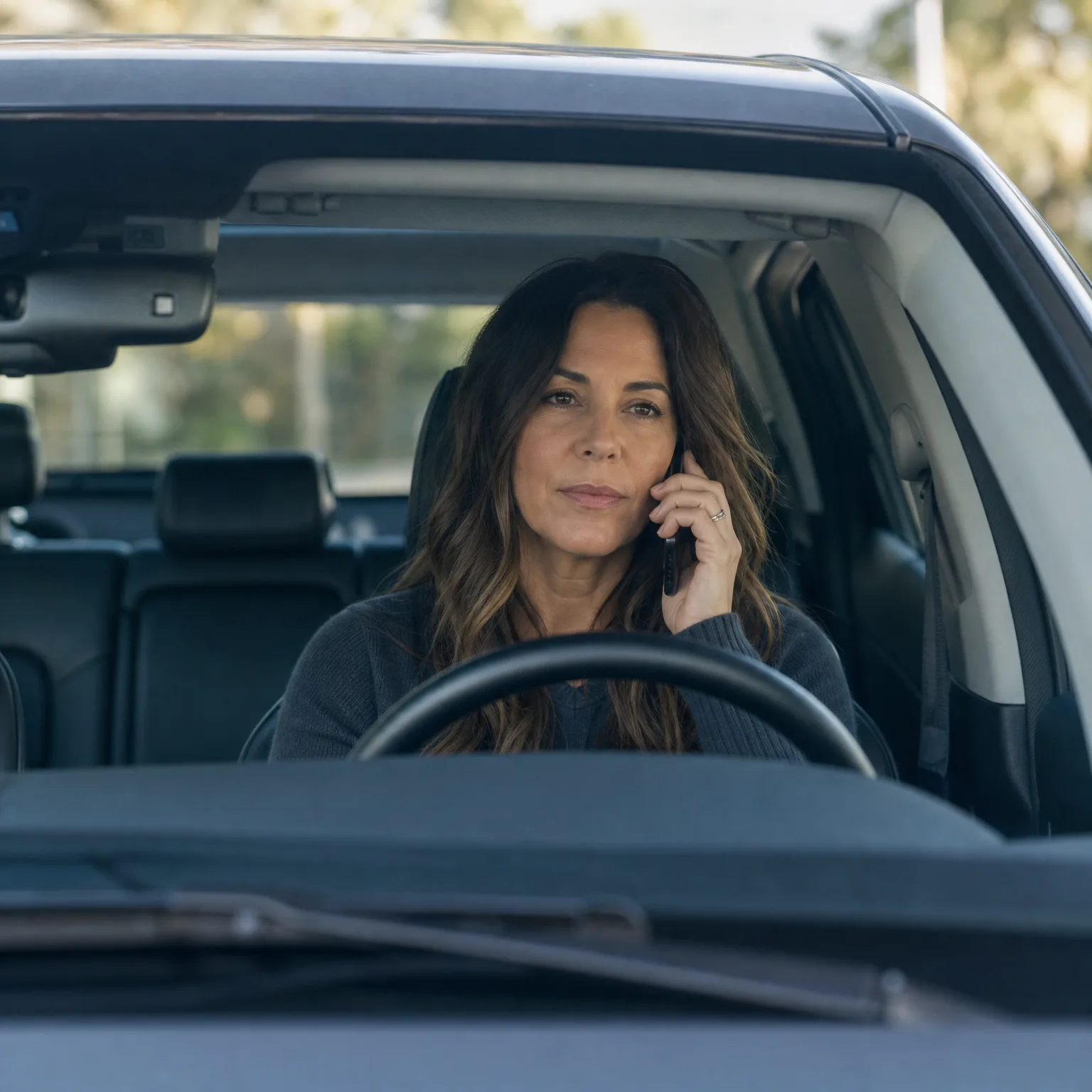
Very few carriers will write FR-44 with an active out-of-state warrant on your record. Direct Auto and The General occasionally issue policies if you can demonstrate active resolution efforts—a scheduled court date within 30 days, a signed payment agreement, or an attorney representation letter. Premium in these cases typically increases 40-60% above standard FR-44 rates, and the carrier may require proof of resolution within 90 days as a condition of policy continuation.
Acceptance Insurance and Safe Auto generally decline applications with any active warrant, regardless of documentation. They will reconsider once you provide a court clearance letter showing the warrant is fully resolved. Bristol West evaluates case-by-case but rarely approves coverage without clearance in hand first.
If you need FR-44 immediately for reinstatement and cannot wait for warrant resolution, your best path is to contact Direct Auto or The General directly—not through an aggregator—and ask whether they will underwrite with documentation of pending resolution. Be prepared to provide court correspondence, attorney contact information, and a timeline. Even if approved, expect a higher premium and a shorter policy term, typically 6 months instead of the standard 12.
How This Affects Your Florida Reinstatement Timeline
Florida's DMV requires continuous FR-44 filing for 3 years from your reinstatement date, not your conviction date. If an out-of-state warrant delays your ability to secure FR-44 coverage, it also delays the start of that 3-year period. You cannot begin the clock until a carrier files FR-44 on your behalf and the DMV receives electronic confirmation, which typically takes 2-3 business days after policy issuance.
If you are currently under a suspension for the DUI or breath-test refusal, the suspension period does not count toward your FR-44 filing period. The two timelines run separately. Resolving the warrant quickly matters because every week without FR-44 coverage is another week before your filing period begins and another week you remain unable to drive legally in Florida.
Once your FR-44 is filed and your license is reinstated, the out-of-state warrant clearance becomes part of your permanent driving record that carriers review at renewal. If you resolved it with a conviction or plea agreement, that new offense may affect your renewal premium even though it did not trigger the original FR-44 requirement. Non-standard carriers typically reevaluate your full criminal history at each 6-month or 12-month renewal.

What Happens If You Move to Another State During the Filing Period
If you move out of Florida while your FR-44 filing period is active, your obligation does not transfer to the new state. Florida's 3-year requirement continues regardless of where you live, and your insurer must continue filing FR-44 with Florida's DMV until the full period ends. Most non-standard carriers will not write policies for out-of-state residents, which creates a coverage gap if you relocate before your filing period concludes.
You will need to find a carrier licensed in both Florida and your new state that is willing to maintain the Florida FR-44 filing while insuring you under your new address. Progressive and Dairyland are the most likely to accommodate this arrangement, but expect premium increases of 20-30% due to the multi-state filing complexity. If you cannot secure dual-state coverage, you risk an SR-26 lapse notice from Florida, which resets your 3-year filing period to day one.
The out-of-state warrant adds another layer: if it originated in the state you are moving to, and it remains unresolved, you may face immediate legal consequences upon establishing residency there. Resolve the warrant fully before relocating to avoid compounding your FR-44 compliance challenges with new legal complications in your destination state.
Frequently Asked Questions
Will Florida find out about an active warrant in another state when I apply for FR-44?
Florida's DMV does not automatically check for out-of-state warrants during FR-44 processing, but the insurance carrier underwriting your policy will. Non-standard carriers run multi-state criminal background checks that flag active warrants regardless of jurisdiction, and most will deny coverage until the warrant is resolved.
Can I get my Florida license reinstated if I have a warrant from another state?
Florida's DMV reinstatement process does not require out-of-state warrant clearance, but you cannot complete reinstatement without FR-44 coverage, and carriers typically will not issue FR-44 policies with an active warrant on your record. You must resolve the warrant to secure coverage, even though it is not technically a Florida DMV requirement.
How long does it take to clear an out-of-state warrant before applying for FR-44?
Resolution time varies by jurisdiction and charge severity. Minor bench warrants for missed court dates or unpaid fines can often be resolved remotely within 7-14 days once you contact the issuing court. More serious charges requiring in-person appearance or attorney negotiation may take 30-90 days. Plan for an additional 7-10 business days for carriers to verify clearance during underwriting.
Does an out-of-state warrant make my FR-44 premium higher in Florida?
If a carrier agrees to write your FR-44 policy before the warrant is fully cleared—rare but possible with Direct Auto or The General—expect premium increases of 40-60% above standard FR-44 rates. Once the warrant is resolved and documented, your premium at renewal may drop closer to typical FR-44 levels, which are still 2-3x standard auto insurance rates.
Related Articles

Florida FR-44: Higher Limits After a DUI
4/16/2026

Out-of-State Warrants and FR-44 Insurance in Florida
4/27/2026

Out-of-State DUI in Florida: FR-44 Cost and Carriers
4/27/2026
Out-of-State DUI in Florida: FR-44 Filing Rules
4/27/2026

Foreign License FR-44 in Florida: What Actually Happens
4/27/2026

Undocumented Drivers and FR-44 in Florida: Options
4/27/2026